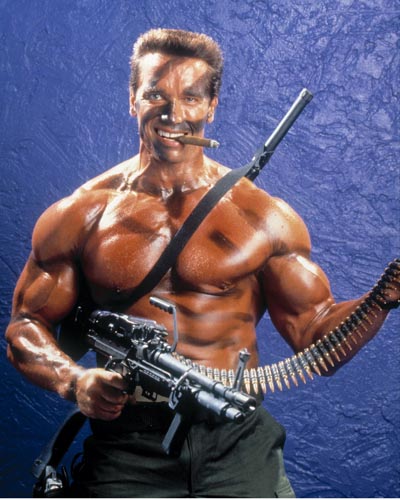
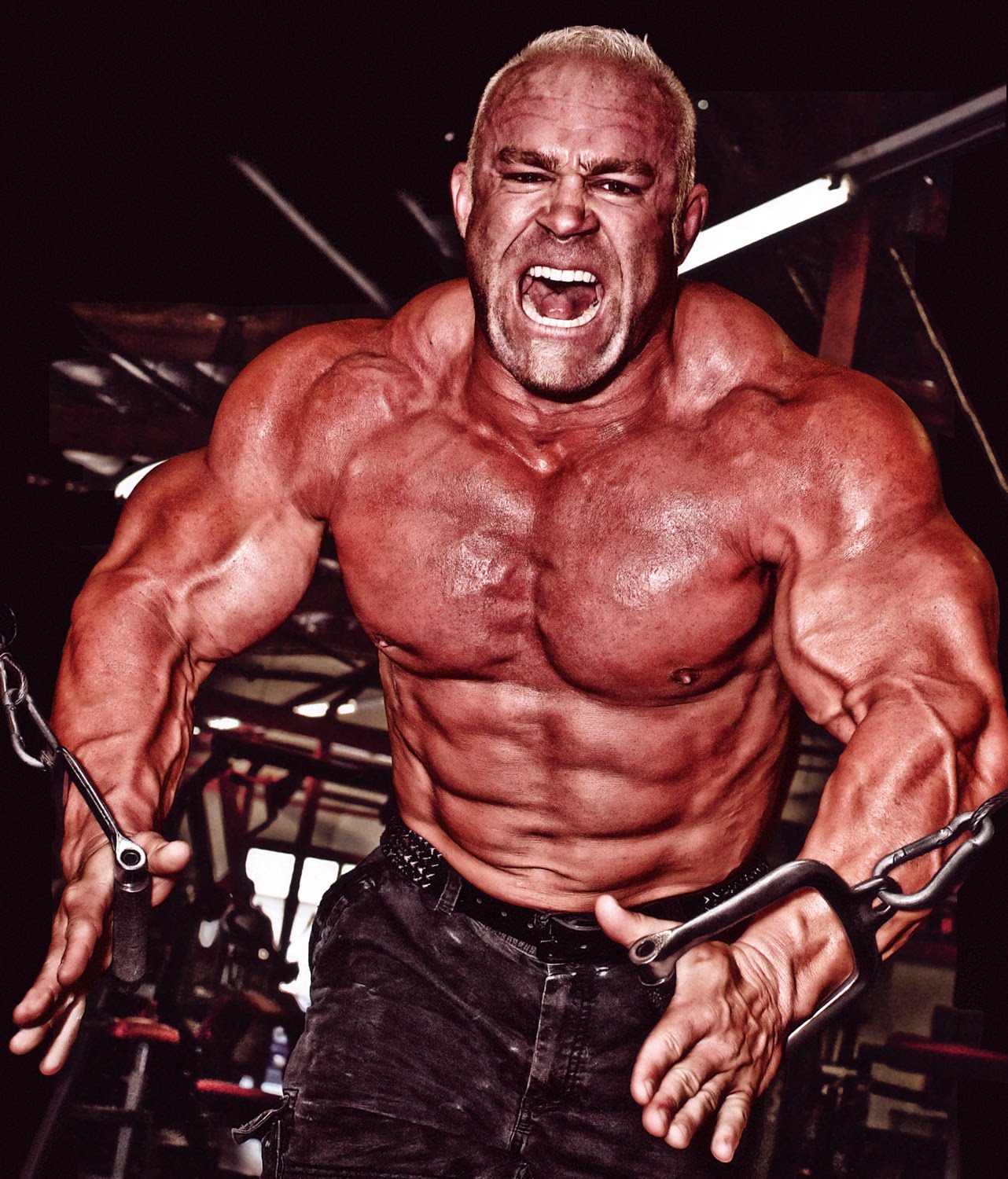
- Gonna kick
off with the sensitive topic of drugs, but not what’s usually discussed when it
comes to lifting. I often see people ask
the question about the impact of marijuana on lifting. My follow up question is always “If you found
out it had a negative impact, would you stop using it?” I’ve never seen a single person respond with
an affirmative to that, simply that they would use LESS of it, or that they’d
try to time their use better. What the
hell is the point of this question?
We’ve now run into that weird bit of pseudo-optimization where we want
to do everything in our power to maximize gains…except of the things in our
power to maximize gains.

Not pictured: a steak
- On that
note, let’s discuss being “drug free” here.
People use that term to mean free of performance enhancing drugs, but
consider taking it a step further. The
only drug I’ve ever used recreationally is caffeine. I never got into drinking (to the point that
I’ve never had a drink), no nicotine, and nothing illegal. I’ve used pain killers when I was in pain,
with a doctor’s prescription, and even then, sparingly. I’ve managed to accomplish some things that
some folks in the internet community insist are only possible with the use of
performance enhancing drugs. Perhaps
it’s worth considering what the impact of being drug free has as it relates to
training and achieving physical results.
I’ve never been hung over, I haven’t imbibed controlled poisons for
prolonged durations, haven’t filled my lungs with smoke, haven’t made poor
nutritional choices as a result of an altered mental state, etc etc. I don’t say all this to be holier than thou,
as hedonism is just as valid a decision as asceticism when we see things as an
absurdist, but it’s more something worth considering when we view what is
possible. When we talk about the
limitations of “drug free trainees”, as we really thinking of trainees that
have been “drug free”.
- Diving
down even further into discussion on natural limits, I observe a direct overlap
between those individuals that claim that a natural trainee achieves their max
potential after 2 years of training and those same individuals that want to
optimize their training to the greatest degree possible. I genuinely don’t understand how one can hold
both of these beliefs in their head at the same time. If you’re going to reach your maximal
potential within 2 years of training while training the most optimal way
possible, how long will it take you to reach those same results training just a
little sub-optimally? 2 years and 3
months? 2.5 years? A mere pittance really. Why not just train the way you want to train
vs worrying about being as optimal as possible?
You’ll get there soon enough.
You’d imagine the only people worried about training as optimally as
possible are those folks that will admit that a natural trainee can grow for
over 2 decades of training, because in THAT instance you wouldn’t want to waste
any of your training time: eventually, your body will be too aged to make the
most of your training. In THAT
situation, you’re up against a clock, but 2 years? Hell, it takes longer to graduate high
school.
- Paul
Carter is pissing some folks off right now talking about how volume isn’t the
answer to growth, but instead it’s intensity of effort that drives it,
referencing back to DoggCrapp style training.
I had to admit: my experience agrees.
Now, that having been said, Deep Water is still, in my mind, the most
effective program I’ve ever done, and it has tons of volume, but it ALSO mixes
it in with an insane degree of intensity of effort. But left to my own devices, I tend to favor a
lot of “single set” work. It can get a
little confusing to the outside observer, as what I’ll consider to be a single
set will, in fact, have a significant degree of rest pausing and dropsets in it
that one could make the argument I’m really doing several sets with short rest
periods instead, equating to an argument FOR volume, but I feel that a trainee
with experience can tell the difference between the two.

And if you REALLY think of it, time between reps is an illusion anyway
- Let’s talk
about that experienced trainee above though.
One of the biggest arguments AGAINST single set work for a new trainee
is that they simply lack the ability to push themselves hard enough to get
anything out of just 1 set of work. I’ve
had SEVERAL trainees talk to me about the Super Squats program and ask if they
should do 2-3 more sets of squats after that first set, at which point my eyes
bug out of my skull and I ask them how they can even THINK about squatting
after the 20 reper in that program. But
the fact of the matter is that they can’t push themselves hard enough to
actually dig in deep and get as close to failure as someone with more
experience under their belt. So we tell
these trainees to just get in as much volume as possible because, in the
absence of intensity of effort, one can substitute with an abundance of
training volume. But now we also have
arguments that reps below a certain percentage of 1rm are “junk volume” and
don’t contribute. So now we have
trainees that can’t train hard enough to make use of single set work, because
of that they also have no conception of what their real 1rm is, and when they
push for volume sets they’re staying so far from failure that they aren’t
getting in effective reps. So should we
just tell new trainees not to train?
- I came up
with the ultimate “weight gain plan”: 2 cycles of 5/3/1 BBB Beefcake, a 1 week
deload, Building the Monolith, 1 week deload, Deep Water Beginner then Deep
Water intermediate. Boils down to 26
weeks of training: half a year, all mapped out, and there’s even an eating plan
detailed 18 weeks of it. Well, in
watching people implement this program, it looked like I forgot to include one
important piece of instruction: don’t f**k it up.
- That I
have to say “don’t f**k it up” blows my mind.
I can’t tell if it’s a sign that I’m smart or that I’m stupid, but I
don’t have any issue with program compliance.
A program says “Do X for Y”, and that’s what I do. But I observe trainees who hire coaches and
pay them money and STILL go off program.
“I know today was supposed to be 80% for triples, but I was feeling
really good so I set a new 1rm!” Hey,
genius, the reason you felt good was because your coach was PROGRAMMING you to
feel good: so you could set that 1rm in a competition. But no, it’s cool: now it’s on Instagram. That’s all that matters, right?
One day, you're gonna wish it was never posted online
- I
genuinely, truthfully, do not understand the current claims about unrealistic
male body image expectations in the media.
Some 40 year old dude recently got in shape for a Marvel movie and there
was a bunch of backlash for it because of the expectations it set for young
men. Did we forget the 80s? Did we forget Arnold, Stallone, The Barbarian
Brothers, Dolph, JCVD, etc etc? If
anything, the male image has been getting SMALLER, not bigger. It’s becoming MORE realistic. How come no one cared when the ideal male
image was absolutely bonkers?
- I’ve had a
few requests for me to voice my thoughts on “evidence based training”. I suppose first I have to learn what the hell
that is.
- I remember
when we were concerned about the results training had on US, rather than the
results it had on other people.
- I’ve
noticed a direct correlation between someone having leaked 5/3/1 Forever online
and a rise in very stupid question about the book. Almost as though paying for a book promotes
more careful reading.
- I am going
to show my ignorance on this one, but are English speaking authors (and
primarily Americans) really the driving force behind all things health and
fitness related? I ask, because the
common complaint about 5/3/1 Forever is “international shipping is
expensive”. Don’t folks in other
countries have their own dudes putting out material? Like, Jim Wendler doesn’t seem like he should
be that big a deal to reach world-wide acclaim.
And I say that as a guy who is a big fan of his work, but fundamentally
we’re talking about a dude that was in one of the most niche sports ever with
unlimited-ply powerlifting. You don’t
need 5/3/1 Forever: you can use a different book and still get big and strong.
I bet THIS guy has some cool things to say on the topic of training
- “You protest
too much” is such a stupid thing people say, yes, even if you’re paraphrasing
Shakespeare. It’s typically when it
comes to accusations about using steroids, where if a trainee doesn’t argue
against the accusation it’s guilt by omission, but if they argue against it
they “protest too much” that it’s a sign that they’re being too defensive and,
therefore, are guilty. There’s no
winning on that situation, which is typically the intent of anyone that makes
the accusation in the first place.
- I’m getting
sick of people thinking strongman is a sport where you eat a lot of food and
lift weights on occasion. I’ve seen more
photos of food than I have of lifts on certain sections of the internet, and
you got dudes who absolutely REFUSE to lose any weight. Remember how we started exercising to get
healthy?