Here’s some
good old-fashioned ranting.Despite
writing this blog for over a decade, despite being online for 22 years (god how
did I get so old), despite lifting weights for 24 years, despite wanting to be
big and strong being one of my earliest cognizant thoughts, I STILL find myself
baffled by some of the things I see trainee concern themselves with.I apologize for writing such a ridiculously
long sentence and ending it with a preposition: it appears all my time spent
writing did not actually make me a better writer.By grammatical self-callout aside:
seriously…are you serious?!Are you
genuinely concerned about these things?Do you really have such little self-awareness that you don’t see the
patent absurdity in your concern?To
what do I refer?
This movie needs to happen
“Are
deadlifts safe?”You’re really,
genuinely wondering that?Think about
WHERE you are coming from when you ask that question.You’ve been plastered to a couch eating
cheesepuffs for a few decades, decided that you’re going to “make a change”,
pirated a copy of Starting Strength (and honestly, these days, I’d be proud of
you for at least READING A BOOK on training, but most likely you just watched a
Tik Tok), saw a photo of a deadlift and immediately freaked out and went online
trying to find some way to save yourself from this demonlift.There’s no WAY a deadlift could be safe,
right?It’s got “dead” in the name for
goodness sake!You’re not supposed to
lift with your back: everyone knows that!
Wanna know
what’s more dangerous than deadlifting?Sitting on a couch eating cheesepuffs!We are a society that is DYING from obesity and a sedentary lifestyle.You were LANGUISHING while you “exercised”
the luxury of bingewatching an entire television series a night for weeks on
end.That these are referred to as
“marathon” sessions is true irony.This
was an OBJECTIVELY dangerous activity you engaged in, and you did it with such
regularity and never ONCE asked “is this safe?”But now, NOW that we are in pursuit of physical transformation, in
pursuit of improvement, in pursuit of change, NOW is when you start to ask “is
this safe?”Deadlifting is OBJECTIVELY
safer than NOT deadlifting, because when you NOT deadlift, what you do instead
is glue yourself to the couch and accelerate your morbidity.
Yup: Jimmy and Timmy are playing it MUCH safer here
And, of
course, I extend this to all the ridiculous questions about safety.Failing a squat?“But I saw someone die from that!”How many people have you seen die from a
sedentary lifestyle and poor eating habits?Yet, again: no one is asking “is that safe?!”No one bats an eye when someone comes into
work on Monday and reports “I watched the entire ‘Game of Thrones’ series from
Friday through Sunday”, or “I spent 18 hours playing Call of Duty” (you can
tell by the age of my references that I’m completely unaware of what’s actually
popular these days).Hell, often these
“feats” are celebrated!But that same
dude coming in and pulling up a video of them getting after it on some
deadlifts will have all manner of tongue clucking saying “My back hurt just
watching that!” “Be careful!” “Lower the weight and focus on form!” “THAT’S NOT
SAFE!”Is the good morning safe?Bruce Lee broke his back doing that!Are you serious?!Any trainee who is concerned about
accidentally replicating the feats of Bruce Lee after a lifetime of being
sedentary is living a world of fabulous delusions of grandeur.
“Is it safe
to eat 6 eggs a day?”Are you
serious?!You ask THIS question
NOW?Did you ask if it was safe to eat
brightly colored corn powder pellets that came out of a cardboard box with a
cartoon character on it that has a shelflife that can be measured in halfyear
intervals?Did you ask if it was safe
when you were drinking a carbonated and caffeinated beverage that came in
colors that flat out do not exist on this Earth?Did you ask it if was safe when you ate a
Poptart, Zebracake, Twinkie, donut, cupcake, etc?When you ate the “death by chocolate”
cake?It’s literally called “death by
chocolate!”But now, NOW you’re going to
ask me if AN EGG is safe to eat?If this
food that has been around BEFORE humans have, this food that has nourished
countless other species, this food that is one ingredient vs a chemistry
thesis, this food that is vitamin and nutrient rich…you’re going to wonder if
THIS is the food that’s going to kill you?Are you serious?!And again: this
is just about eggs.We see this question
about eating “too much” red meat.Hey,
wanna guess how much Captain Crunch is “too much?”It’s less than 1 serving.Find me someone that has only ever eaten eggs
and red meat and never touched a bowl of kid’s breakfast cereal and I assure
you that you’ll find a MUCH healthier human than any random “normal” person
walking around out there, living a “safe” existence.
I was legit looking for parody cereals but discovered this real one which SHOULD be a joke...
You’ve
become so conditioned to accept REAL danger as “normal” that when you
experience true safety you immediately point and scream “danger!” simply
because it’s DIFFERENT.And what a sad
state of decline you experience in your existence wherein being physically
active and eating a natural diet is what’s seen as “alien” while slumping onto
a couch, having a streaming serving overload your senses with lights, colors,
sounds and images while you mindlessly shovel processed non-food into your face
is “safe”.Prior to the moment you
decided to pursue physical transformation, you NEVER concerned yourself with
the safety of your decisions: why choose NOW to ONLY engage in 100% safe
approaches to anything?Whatever risk
you put yourself in by deadlifting, squatting, doing loaded carries, swinging a
kettlebell, doing cleans, eating eggs, steak, bacon, butter, fasting, etc etc,
is STILL significantly improving your overall safety compared to assuming a
sedentary lifestyle with the current standard approach to eating that everyone
else is engaged in.You will so
positively improve your safety FROM taking these “risks” that your rate of
all-cause morbidity will precipitously decline, simply because you made A
change away from one of the most dangerous lifestyles there is: the average
one.
Are you
serious?!If you’re serious about BEING
serious, then, seriously…take the risk.
Those that
have followed me for any length of time are aware that my first passion was
martial arts, and that my efforts at lifting were initially vectored toward
becoming a better fighter.The first
book on physical training I ever bought was “Fighting Power” by Christopher P.
Loren, which by all accounts is pretty not great yet STILL holds a special
place on my bookshelf simply because it was my first, and it was all about how
to train to develop powerful punches and kicks.I did Tae Kwon Do from age 8-17, wrestled for 3 seasons in high school,
and did some boxing, Muay Thai and submission grappling training off and on
during college, before I got married and decided that martial arts training
simply took too much time and I’d rather be with my beautiful bridge.This prompted a switch to prioritizing
lifting at the age of 21, and since that time I hadn’t engaged in any manner of
grappling training at all…
…which meant
it was an absolutely bonkers idea to sign up for a submission grappling
competition, but sure enough it showed up on my facebook feed and I thought
“why the hell not?”Truthfully, it’d
helped that there was a novice division AND a masters division to compete in,
because given I had spent more time NOT training than some of these kids had
been alive, I figured that qualified me to be a novice again.And since I had dropped so much weight since
adopting a carnivore-like approach to nutrition, it was a great time to compete
in a weight classed based sport.
I still had
some Combat Sports fight shorts I bought on sale to wear while I was lifting (a
tip I picked up from Brian Alsruhe), and after ordering the cheapest rash guard
I could find on amazon, I was signed up and ready to compete!And sorry for the spoilers, but I actually
managed to win too.Here is that story.
TRAINING AND NUTRITION
There was actually none of this to be found...but ALWAYS bet on Hercules!
I did
absolutely zero grappling training to prepare for this grappling tournament,
because Chaos is the plan.And, in turn,
I’ve been running “Chaos is the Plan: The Plan” for the 6 weeks leading up to
it.180 minutes of taking something off
the floor and putting it over my head a week, along with daily walks, air
squats/push ups, and conditioning work where applicable.This particular variant I’ve been running has
had a focus on mass gain, so I’ve included 20 breathing squats 3x a week, which
has paid off as I’m up 8lbs of bodyweight.I was lifting weights in some manner at least 5x a week, with weekends
sometimes including time on the weights and other times being purely
bodyweight.
The other
element of Chaos is the Plan: The Plan is “eat meat and/or eggs, when hungry,
until not”, and I abided by that about 95% of the time.I sometimes ate when not hungry, simply
because my schedule worked out that way, and I sometimes ate stuff that wasn’t
meat and/or eggs (cheese, sour cream, pork rinds, protein powder, or an
occasional meal out with the family), but the vast majority of my nutrition was
on point, SPECIFICALLY what I ate close to competition.This was a significant departure for me.In my past life, my pre-competition meal was
always going out to eat and loading up on as many calories as possible,
typically of pure junk.Taco Bell, pizza
buffets, all you can eat fried chicken, etc.This time, I made it a point to make my own food so that I’d know
exactly what was in it and how it was prepared, and that makes so much sense
that I can’t believe how stupid I was to do something different.The last thing you wanna deal with before a
big athletic competition is a whole bunch of new and weird food in your gut:
having control of what you eat goes a LONG way.In this particular instance, the night before the competition I had a
14oz piedmontese ribeye, 3 sunny side up pasture raised Vital Farms eggs, and
all the fat trimmed off my kid’s sirloin steak from our family farm in
Iowa.For breakfast before the comp, it
was about 10oz of the sirloin from the previous night (it was HUGE, there was
lots leftover), 4 sunny side up vital farms eggs and 2 strips of some sort of
high end no sugar added bacon.This was
outstanding fuel, and left me satiated and satisfied without buzzing from
simple carbs.
The future is in "steak and egg loading" for athletics
The sirloin I cut breakfast out of (on the bottom left)...just look at that thing!
Breakfast of champions...quite literally
WEIGH IN AND WARM UP
I definitely had "Lunatic Fringe" in my head...
I came into
this competition at the very BOTTOM of the 171-185lb weight class.When I signed up, I was directly on the line,
weighing consistently between 168-172.With my current training and nutrition protocol, I did not want to lose
weight, nor did I want to cut weight for the weigh in, so I signed up for the
higher weight class, and while eating my face off for 4 weeks managed to get my
weight consistently between 173-174.8 (SO close to 175).When I weighed in for the comp, I weighed
185…in full sweats, and fight shorts, and Cerberus strongman shorts…with my
shoes on…and my wallet, phone and keys in my pocket…having eaten that breakfast
I mentioned 30 minutes prior, and the dinner from the night before, all sitting
comfortably in my belly.And honestly:
THAT is the way to make weight for a competition.Cutting weight is for martyrs, and carb
loading is for chumps.Fueling up on
meat and eggs had me feeling like a warrior.
Just like
with all my other competitions in other sports: I did ZERO warm-up.It’s worth appreciating that I train 5 days a
week at 0430 with practically no warm-up: doing something physical at 1000 is
like cheating to me.I’m already warm
and loose by then!Plus, I didn’t want
to get anything “in my head” prior to the first match.Didn’t want to get a feel for the mat or have
my body make any sort of contact.I
wanted the experience to be as raw and real as possible, as I honestly trusted
my instincts more than I trusted any sort of strategy, and I didn’t want to
have my instincts influenced.Chaos was,
in fact, the plan.
THE MATCHES
Match 1: Ultimately, I was just trying to
figure out what the hell I was doing here in the first place, and IF I had in
fact bitten off more than I could chew.The dude I was against was fairly strong, and I wasn’t able to manhandle
him like I would have liked.Alongside
that, I was cautious about over-exerting myself and gassing, since I came in
with more a wrestling background than jiu-jitsu, with the former being 3 2
minute rounds where you just go all out the entire time rather than a single 8
minute round where pacing can play a role.This resulted in me being overly cautious in retrospect and surrendering
many opportunities where a little aggression and force probably could have
gotten me a tap.I could actually feel
when my opponent’s stamina gave out around the 5-6 minute mark, and this
prompted me to continue pushing the pace and start applying subs with random
abandon, because I was confident that, if I lost position, I could get it back
again by nature of him being gassed and be being fine.He managed to fight me off until the end,
wherein we went into sudden death and the goal was to escape as fast as
possible.I was, once again, out of my
element here, and did little to keep him secured and was too lazy in my own
attempt to escape.I was initially
awarded the win, but the decision was reversed upon review.
Match 2:I had to go up against the same guy from the first match, because we
only had 3 people in our bracket and it was a double elimination
tournament.I didn’t find out I had lost
the first match UNTIL I was called up for this match, because I was pretty damn
confused about what was going on.At
this point, I actually got angry: I basically had my win taken away from me.I think that was ultimately to my advantage,
because I was more aggressive as a result.I knew if I lost, I was done competing.I also knew that this dude wasn’t going to be as recovered as me, and I
was familiar enough with his gameplan to know what I wanted to do.He fatigued very early in the match and I was
able to get sidemount without much difficulty.This time, when I applied the Americana, I was more aggressive with it,
and I imagine that prompted the tap: the sensation of being “in danger”.
Match 3:Here I finally got to go up against the other competitor.I watched him grapple the guy I grappled, and
he managed to get a win via armbar, so I knew he had technical skills.I also saw him being very active in the
standing game, but not necessarily effective.He threw out a lot of “noise”: lots of movement and hands going all over
the place, but not necessarily accomplishing anything.I imagine it was more to intimidate and
distract, but once he and I locked up I could feel that he didn’t have the
strength of the other guy and that I could manhandle him pretty easily, which
removed any ability to intimidate.I
worked a lot of weird angles in the clinch and tried my best to make him feel
uncomfortable, and sensed him trying to hip throw me a few times
(unsuccessfully).Once we got to the
floor, he scrambled a bit, but his strength and stamina seemed to fade pretty
quickly.Similar to the last guy, I was
able to eventually get side control, and from there applied an aggressive
Americana to force a tap.
GENERAL TAKEAWAYS
Always remember that
* I got
asked about any sort of adrenaline issues during the matches, and upon
reflection, I never once felt it flare up.I know I had a fight or flight response at some point, because when I
went to eat my post-victory meal the fork was shaking pretty decent and my
appetite was so turned up I am sure I could have put away another one of those
5lb cheeseburgers I had before, but during the matches themselves I found
myself pretty clear headed, cognizant and loose.I attributed this to a few factors.Even though I haven’t grappled since 2005,
I’ve been competing in SOME sort of physical competition for most of my life
with just a few breaks, so I’m no longer a victim of general “competition
jitters”.I also did spend 3 seasons
wrestling in high school, so this wasn’t absolutely totally alien to me.But the biggest contributing factor is that I
genuinely never felt threatened by either one of these individuals.Thinking back on the matches, I can’t recall
either one of them even attempting a sub on me: it was all just jockeying for
position.And as the matches went on, I
could literally feel their strength and stamina fade, while mine remained
unchecked.In truth, I got to experience
the “killer instinct” I had heard so much about: as they got weaker, it made me
stronger.I felt like a shark sniffing
blood in the water: as soon as I felt them wanting to quit, I got MORE energy
and wanted to push harder and harder to totally break them.It’s funny, because one of the primary
reasons I walked away from combat sports all those years ago was BECAUSE I
lacked that killer instinct.I was too
nice.Perhaps it’s the confidence that
comes with being in better shape that helped with that.However, there was SOME sort of fight or
flight effect, because after the comp was over I got some amazing Mexican food
to celebrate (still kept it carnivore: carne asada, huevos, shredded queso,
beef cheek (cabeza) and birrira) and aside from the fact I could have eaten
about 3 servings of it all, my fork was shaking a bunch.
* It dawns
on me that I was essentially “persistence hunting” both opponents.I couldn’t match them in skill, so I had to
just wear them out until they got tired enough that I could slap on a sloppy
submission.Which I’m TOTALLY at peace
with, but it’s just a comical observation.Someone pointed out to me that me forcing the competitors to stand up so
often was actually achieving this very goal, which is something I didn’t THINK
about but must have instinctively understood.Each time they stood up and locked up with me was more time for them to
lose strength and stamina.
* I clearly
had no idea what I was doing when it came to submissions.I remember 4 from my training: the armbar,
the Americana, the triangle choke, and the rear naked choke.I only managed to attempt 2 of them the whole
time (armbars and Americana), and only the Americana worked.But my body still remembered how to wrestle,
which made it so that I was pretty good at getting to positions where I COULD
apply some subs if I knew how.Instead,
I ended up just using this time to make the other person uncomfortable and
panicky.Biggest thing was applying
pressure to the neck with my elbow whenever possible: just take away their
oxygen. I contemplated covering their mouth with my hand at some point, but
decided it wasn’t a really cool thing to do.
But it's not unprecedented
* When it
was all over, I had a bunch of scratches on my face and neck, bruising up and
down my body, and my ears hurt from rolling all over them on the mat.THIS is the “armor” that Dan John talks about
building up through wrestling/tumbling.I was also sore in a bunch of muscles I had forgotten about.Similarly, Dan relayed a story about his
brother who ran a marathon with no training.When it was over, his feet were torn up and bleeding so bad that it took
him 3 months to fully recover.3 months
is about the time you need to spend training for a marathon to build up all the
small muscles and calluses in order to survive the race.The takeaway there was that a marathon is
going to take 3 months of your time; either before OR after.It’s similar here.You CAN go out and win grappling without
training for it, but there will still be SOME sort of “training cost”.
* Not having
a coach was kind of a blessing, because I could hear the OTHER coach’s
instruction and knew what to expect the other guy to try based off of that.
* Carb
loading is for chumps.So is cutting
weight.I came in SO well nourished and
ready to perform.I also have to wonder
if I’m a product of “being that which does”.I’ve eaten like an apex predator, and got on the mat and felt no need to
be pensive or reserved.Yes, that’s
entirely self-congratulatory: I’m ok with that.
WHAT’S NEXT?
I mean, the precedent is there...
Since I got
gold in the novice division, I wouldn’t feel right doing it again, so if I do
compete in another grappling tournament, it’ll be at the white belt non-novice
level.That does pose an interesting
challenge, as I technically don’t even have a white belt in a grappling martial
art, but typically people sandbag DOWN rather than up, so I can’t imagine
anyone will get too upset about that.
What I’d
REALLY love to do next is get in a boxing smoker.I’ve trained boxing a bunch in my life but
never had a chance to get a match.This
gives me hope that I could do something like that.
Until then,
I’m keeping my eyes open for other competitive venues.I’ll do a strongman show if it looks fun, a
powerlifting meet if it’s convenient, I do an annual 10-mile race alongside my
wife and am open to some more half-marathons, and ultimately just like getting
out there, having fun, and NOT training for any of it.Chaos is the plan!
Once again,
slumming around on the internet benefitted me, for in the course of explaining
an idea about training I ended up creating an analogy I’m pretty pleased with
and intend to share with you, dear reader.What’s interesting about this is it demonstrates something that we all
instinctively “know”, yet are prone to forgetting when it comes time to
actually put rubber to the road.Specifically, I am referring to the idea in the title: “you can’t sprint
a mile”.We all “know” this.And yes, this WILL require some pedantry to
succeed, but you know that’s well within my purview.The very definition OF a sprint is such that
it simply can NOT be maintained FOR a one mile duration (for my non-American
audience, feel free to substitute kilometer here, the point remains).A sprint is an explosive topspeed full out
run that can ONLY last for a short duration BECAUSE of the sheer amount of
intensity involved in it.Your heart
rate immediately goes into the red zone, lactic acid rapidly fills inside of
your muscles, your lungs are on fire, your muscles burn, and you leave it all
out there.Athletes will train their
entire lives for the sake of covering 100 meters in the span of less than 10
seconds, the cheetah can hold its top speed for 30 seconds, and we see the 400m
“sprint” being recognized as the longest distance sprint event for humans, as
after we cross that threshold we are in the realm of middle and long distance
running.Why am I talking so much about
running on a blog that is primarily focused on lifting things (despite the
pivot toward “physical transformation” vs “bigger and stronger”)?Because this lesson absolutely applies
universally to all matters of physical transformation: we can NOT maintain a
sprint for long distances.
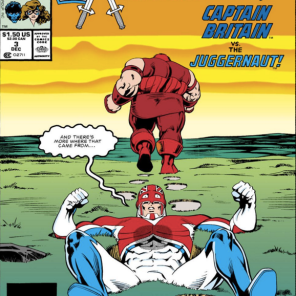
This is why the Juggernaut applies a more "slow and steady" approach
Wherein do
we observe sprinting efforts in the realm of physical transformation?It is in those specific efforts TO transform
that we are “sprinters”.The body enjoys
homeostasis.It enjoys it so much that
it will FIGHT to maintain its own status quo.Transformation is metabolically expensive: either the body must create
new tissue in response to a demand stimulus to do so (through resistance
training) OR the body reduces tissue when there is a demand to do so (typically
in the form of an imposed deficit of nutrition), and in the case of the latter
we manipulate the body to prioritized muscle OVER fat: imagine the degree of
trickery necessary to achieve that outcome!Thus, in order to trigger these responses, SPRINTING is necessary.A casual jog will not suffice, nor will a
hard running effort: we must employ a sprinting effort in order to create
enough demand upon the body that it determines that maintaining homeostasis is
actually MORE demanding than changing.
When we
observe those protocols effective at achieving physical transformation, we
observe sprints.Super Squats, Mass Made
Simple, 5/3/1 Building the Monolith, Feast/Famine/Ferocity, Deep Water
Beginner, Deep Water Intermediate-all 6 week sprints (both training AND
nutritionally: hello gallon of milk a day/1.5lbs of ground beef and a dozen
eggs a day/a loaf of bread and a jar of peanut butter and jelly in a
backpack/the sheer magnitude of deep water eating).The Velocity Diet?A 28 day sprint.The 10000 kettlebell swing challenge?A 20 day sprint.All of these sprints are absolutely fantastic
at being the catalyst for physical transformation and, in turn, NONE of them
can be sustained indefinitely.
Folks, it's got "Velocity" in the name...just think about it
Dan John
refers to it as “park bench-bus bench”, 5/3/1 has programmed deloads, DoggCrapp
has “blast and cruise” (and, in turn, the blasts of DoggCrapp are ABSOLUTELY
sprints), Super Squats has you alternate between 20 rep squats and 5x5, and
even Deep Water’s advanced phase could be argued to be a period of
non-sprinting, but in all instances, after the sprint comes the rest and
recovery.Why?Because you can’t sprint a mile.And if you TRY to do so, all you get is a
TERRIBLE mile time.What would happen if
you actually attempted to sprint a mile?You’d burst out of the starting line, blast ahead of all the other
runners…and MAYBE if you’re one of the top athletes in the world, you’d clear
the first quarter of a mile in a little over 40 seconds…and then just flat out
die.Your “sprint” from there would
rapidly descend into a plodding, labored, exhausted death march, the entire
time getting passed by weekend warriors and parents pushing babies in
strollers.In turn, this is why those
who run the 1600m DON’T employ this strategy and, in turn, why sprinters don’t
train this way TO sprint.What do
sprinters do when they train the sprint?They sprint!And then the rest,
recover, and sprint again.Why?Because to do so is to ensure quality
repetitions OF the sprint, rather than reinforcing poor technique and
performance by attempting to “sprint” while still under fatigue.
So first,
that there speaks to why Easy Strength works (which Dan John can explain much
better in his Easy Strength Omnibook AND Easy Strength for Fat Loss) and it
also explains why the mainwork in 5/3/1 tends to be so light, but in the
context of physical transformation allow me to finally arrive at my original
point: our sprinting efforts can only be maximized when we approach them in a
state wherein we CAN apply maximal sprinting effort.Which means: if we try to sprint TOO long OR
if we try to sprint before we are recovered from the previous sprint, we will
simply be unable to apply a full sprint effort TO the sprint.Instead, we will employ, at best, a fast run,
but realistically even THAT will most likely be beyond our capabilities if we
TRULY sprinted during our sprint.
Most likely at about this pace
This becomes
an issue for those that seek to engage in long sprints: they will find that
their results may be significant at the start, but they rapidly decline, and
quite possibly regress, as time goes on.The yearlong “bulks” that start off so promising and end with a trainee
resembling a melting candle, 6 month long “cuts” wherein the trainee ends up
with dark circles around their eyes, no muscle on the extremities, and STILL a
spare tire around the waist, and so many other Icarus like stories wherein the
ambition of the trainee simply cannot match the degree of effort necessary to
achieve these ends.There is nothing
wrong with a goal of great physical transformation, it is simply an unfortunate
reality that patience and nuance are necessary in the pursuit of these
goals.That intense drive to succeed is
outstanding, make use of it!...for a short time.And then back down, recover, regroup so that
you can do it again!
For say we
go back to our sprinter attempting his 1 mile race.Let’s say, instead of trying to maintain the
sprint for 1 mile, they sprint until they experience fatigue, begin walking
until they feel recovered and then decide to sprint again?Those in the running “know” may understand
this as the “Galloway Method”, or even simply the “Fartlek” (speed play)
training method, but in either case, once again: the precedent is there.We CAN cover longer distances WITH fast runs
so long as periods of reduced intensity are employed between the efforts as a
means to facilitate recovery.Rather
than trying to maintain a top effort for the entire time, we recognize that we
can actually go faster by GOING SLOWER, for in the periods of slowness we prep
ourselves for maximal speed.
A sentiment expressed by someone who is, by all accounts, a little slow
And hell,
depending on your perspective, one CAN attempt to sprint for long DURATIONS,
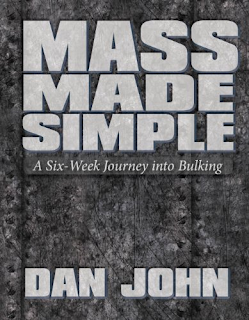
but it would have to be done in opposite directions.In Dan John’s “Mass Made Simple”, he speaks
about the significance of starting out lean BEFORE engaging in a mass gaining
protocol, which perfectly mirrors up with Jamie Lewis’ approach in “Feast,
Famine and Ferocity”, which in and of itself effectively contains 2 sprints run
back to back: a 2-4 week protein sparing modified fast during the famine, and 4
weeks of “feasting”.Both are absolutely
sprinting efforts, but run in such opposite directions that it effectively
resets the body in both cases to be prepared FOR the upcoming sprint.I’ve frequently espoused that the value of
the famine is less so about fat loss and moreso about prepping the body to
absorb the nutrients form the upcoming feast.And THIS principle is also not without precedent: bodybuilders reference
the “post show rebound” as an excellent time for rapid maximal growth, after
going through a HARD period of serious depletion.These folks are cautioned about not
sprinting TOO hard in their regaining, sure, but they are just as equally
cautioned about NOT trying to maintain that competition level of leanness for
any longer than absolutely necessary.The sprint to leanness has ended: it’s time to cool down before we start
again.
Honestly, I
could keep writing about this.There’s
so many instances and opportunities present to explore this notion.But consider just how much of it is based on
something we all instinctively understand, and realize, in turn, how often
these things can apply to the realm of physical transformation.Take the lessons learned and apply them!Many of these things are universalisms
because the rules that govern the universe apply UNIVERSALLY.Don’t try to sprint a mile: make the most OF
the sprints and then do what it takes to get ready again.
I’m going to start this off by saying
that I have zero interest in backing up anything I’m about to write with
scientific studies.My time in academia
has taught me that there are studies for just about anything, and anyone that
says a study “proves” something either does not understand the definition of
the word “study” or “prove”.In general,
many people who enthusiastically pursue studies to read lack the ability to
properly understand, interpret and extrapolate FROM said studies in the first
place, whereas those that have such an ability will get the study, read it, say
“neat!” and move on.So with that said…
Once again, we could all stand to learn from Gaston
A common lament among many trainees is
that they want to get bigger but they don’t want to squat or deadlift.They then wonder WHY so many programs based
around gaining have one or both of these movements in them.And, inevitably, they try to work around the
system by replacing the squat with a leg press, leg extension, lunges, dumbbell
squats, etc, and the deadlift with Romanian deadlifts, or simply nothing
(cutting them out entirely).And, of
course, they don’t get near the results they desired, and they assume this is a
flaw of the program.These same trainees
will also go on to point out advanced trainees in the bodybuilding sphere who
do not employ the traditional squat or deadlift and manage to make tremendous
gains.
**THE PRECEDENT**
PSH, what did these two know about getting jacked?
So let’s break down a few things
before we go any further.What are some
programs where the squat and/or deadlift feature prominently AND which result
in fantastic gains?Super Squats, Dan
John’s “Mass Made Simple”, Jon Andersen’s “Deep Water”, and Jamie Lewis’
“Feast, Famine and Ferocity” and “Juggeryoke” protocols.Of those, Deep Water is the only program not
specifically marketing itself as a “hypertrophy program”, being more about
simply reaching beyond your limits and total body transformation, but by all
accounts, all people that have run it and survived saw tremendous hypertrophy
outcomes.
Each of these programs has a slightly
different manner of approaching the emphasis on the squat/deadlift.
*SUPER SQUATS*
Single-handedly keeping the dairy industry in the black
In the instance of Super Squats, the
program is centered around 1 set of (traditionally) 20 reps of “the breathing
squat”: a technique wherein you take in a minimum of 3 of the DEEPEST breaths
of your life into your chest between EACH rep of the squat.This creates an effect wherein you stretch
out the duration of the squat set for a LONG time compared to if you just fired
off 20 reps as fast as possible.Immediately after this set of squats, the trainee does a set of light
pull overs to stretch out the rib box, and then (if doing the full program)
will hit up a set of straight legged deadlifts with a very long ROM.All of this is alongside a full fledged
bodybuilding style program, with some style of pressing, pulling, arm work,
waist work, etc.
*MASS MADE SIMPLE*
The PBJs were a lot more palatable...but the barbell complexes were NOT!
For Dan John’s “Mass Made Simple”, the
squat is the final movement of the training day, versus being in the middle
like in Super Squats of Jamie Lewis’ programs, primarily because Dan intends
for you to be completely wiped out after the squat set.Dan’s goal for the trainee at the end of the
program is to be able to squat their bodyweight for 50 reps WITHOUT racking the
bar.He builds in a progressive approach
to getting there within MMS, getting the trainee accustomed to high rep
squatting with a variety of loads.All
of this on top of some upper body work and HEAVY barbell complexes (which, in
turn, are a sneaky way to get in a few more squats).There is no deadlifting featured in this
program.Dan has a proposed theory that
there is always “one more squat” in a trainee due to the movement not requiring
much use of the hands to manipulate the load, whereas the deadlift tends to be
limited in that regard (I’m significantly paraphrasing here, it’s well worth
seeking out Dan’s explanation).
*JAMIE LEWIS*
Changing your life for $80 is pretty worth it...and the menu is quite a bit more diverse
Jamie Lewis has 2 different squat
approaches in the two programs listed.For FFF, after some heavier squat work, Jamie has the trainee cut the
weight down to a certain percentage (50-65%, depending on where they are in the
program) and go for max reps.Jamie also
tends to have days where the trainee takes a heavy load for 10-12 sets of heavy
singles or triples.In the case of
Juggeryoke, Jamie prescribes the weight of 135lbs for the squat and has the
trainee squat for TIME: 2-3 minutes, and 1-2 sets.A strong trainee will find themselves getting
in MANY reps with this approach, but even a less strong trainee will STILL
endure an equal amount of time UNDER the load: just not necessarily squatting
it.There is no specific deadlift in
Jamie’s protocols: he is outspoken in his approach of NOT deadlifting to build
the deadlift.
*DEEP WATER*
Super Squats had us milking the cows: this program has us slaughtering them. Even the sacred ones.
Finally, Deep Water’s approach is the
most radically different of the group but no less brutal: 10x10 for squats one
week, 10x10 for deadlifts the next, and then either going from 4 minutes of
rest to 3 to 2 over the span of 6 weeks OR getting those same 100 reps in 9
sets and then 8 sets.Both are instances
of progression via increased density, compared to the above programs where
progression is accomplished via increasing load on the bar (although, in the
case of MMS, it’s both, as you endeavor to get those 50 reps in as few sets as
possible, eventually getting down to a single set).
**THE COMMON VARIABLE**
I'll give you a hint...
TIME UNDER LOAD!No, not “time under tension”, because that
concept results in trainees doing goofy things like 30 second eccentrics with a
2lb dumbbell.By time under load, I’m
referring to the notion of having a weight ON your body.The barbell back squat (I hate having to say
“back squat”, but if I don’t inevitably I’ll be asked about the front squat) in
particular is incredibly effective at achieving this, because it allows a
trainee to have a SIGNIFICANTLY heavy load on the body for a long duration.You can camp out for a LONG time with a
barbell on your back before you tap out.The strongman yoke would be about the only other implement that could
give that a run for the money.In the
case of the deadlift, so long as a trainee is using straps and “resting” in the
locked out position rather than on the floor, they can achieve a very similar
effect as well.The load isn’t on the
spine, no, but the body is “under load” while we hold onto the weight.
In the case of Super Squats and MMS,
the time under load is concentrated within a single set, and it’s a VERY long
set.The breathing in Super Squats
generates more time under load, whereas gathering oneself for another squat to
get to 50 in MMS requires much time under load.In the case of Deep Water, the sets are shorter, but there are TONS of
them, and by sets 8-10 one will find themselves being under the bar for quite a
while waiting for the energy to arrive to finish out the set.In the instance of Jamie Lewis’ protocols,
it’s a mix of the two: the high set/low rep heavy work accumulating much time
under the bar, and the widowmakers being a long time under load as well, to say
nothing of a straight up prescription for time under the bar in the case of
Juggeryoke.
**WHY DOES THAT MATTER?**
Gonna have to disagree here
Once again, no studies here: let’s
just use the “sniff test”.The body
doesn’t like building muscle.It’s a
metabolically expensive process just to BUILD the damn stuff, to say nothing of
maintaining it.The body prefers
homeostasis.The body will only build
muscle in an instance wherein it perceives that NOT building muscle would put
the body at risk.This is done by
imposing a strong demand on the body.A
heavy load placed ONTO the body generates a significant stimulus on the body to
build muscle ONTO the body.When we
stand there with a heavy load on our body, our entire body is stressed, and the
body receives the signal that it needs to build muscle EVERYWHERE.It is not the bending and unbending of the
legs during the squat that is causing this to occur: it’s the load we bear
DURING the squat that is promoting whole body growth.
The process of building muscle is a
process of enduring maximal STRAIN in order to promote growth.And no matter how many goofy faces and
screaming you do in the gym, a hard set of curls just isn’t going to compare to
a vomit inducing 50 rep squat workout.Again: we KNOW this on a level beyond intellect: instinctively, we know
that, in order to grow, we have to strain and endure.When we see a muscular human, we are
observing a human that has engaged in frequent “overcoming”, which is why we
instinctively find such a physique impressive.
Of course, that being said: the
muscles involved in squatting and deadlifting ALSO happen to be the largest
muscles in your body (which is why we can use the heaviest loads during this
time), and training big muscles is another way to promote the body to grow
muscle in totality, PLUS it also tends to trigger an immense sensation of
hunger, which is FANTASTIC for growing big and strong.It’s why all these programs ALSO come with an
eating protocol prescribed (gallon of milk a day with LOTS of food on Super Squats,
PBJs on Mass Made Simple, the Deep Water nutrition protocol and Jamie’s “feast”
prescription and the content of his Grimoire).
**DON’T BE STUPID**
This is honestly a great start
No: squatting will not make your
biceps bigger.I mean, yes, it will a
little, in the sense that adding bodyweight will make your body bigger, but you
STILL need to train the muscle that you want to grow in order to make them
grow.That’s why ALL of these programs
include specific upperbody work as well, and only charlatans are out there
trying to convince you otherwise.BUT,
it ALSO means that you don’t need to absolutely slaughter the small muscles in
order to make them grow.The folks doing
THAT tend to be the ones that are trying to avoid the REAL hard work that comes
with these long/hard sets of squatting and deadlifting.If you dedicate yourself to hard work on
these 1-2 movements, you’ll find you’ll get the growth you’re looking for.
**THE TAKEAWAY**
Maui probably spent a lot of time under load as well
If you’re a newer trainee, trying to
build up a baseline and grow at a reasonable rate, it’s worth the time and
energy to do some hard squatting/deadlifting in your training.When you look at the high levels dudes that
no longer squat or deadlift, you’re observing folks that “earned their wings”
sweating and grinding away at the basics and are in a place where it’s no
longer necessary.That’s a great goal to
strive for: get there by putting in the work now!
One of the most positives things I ever did for myself, in terms of physical transformation, was include at least 2 miles of walking into my daily routine. Writing out that sentence is odd, both because “how can walking be that significant” and “why weren’t you walking at least 2 miles a day before you were”? And those two questions co-existing explains WHY walking is so significant: we’ve fallen out of the habit of engaging in basic human movement as a result of the luxuries of technology and, in turn, have lost some of our humanity. We traded it for technology. In turn, in order to transform physically, we must regain that aspect of our humanity, so that WE can be whole and, in turn, transform in totality.
No matter what we transform: let's go in a good direction
Which is WHY daily walking is NOT part of the 3 sentences: walking should be a foregone conclusion. As a human being, you should simply be walking in general. That was do not walk regularly these days is a reflection on how technology has pacified us, and is, in turn, quite alien to our design and our biology. Your parents and grandparents walked a TON, and they did NOT consider it exercise or training: it was simply how they were going to get from point A to point B. This resulted in a significant amount of daily non-exercise activity, which, along with significantly less access to process junk (which we resolve by a nutritional protocol of meat and eggs) resulted in a populace that could not FATHOM the notion of an obesity epidemic. In point of fact, when you read writings about muscle and health and fitness from that era (The Complete Keys to Progress is excellent in that regard) the primary concern among adolescent males was how to stop being so goddamn SKINNY. It’s how Charles Atlas rose to fame with his comic book advertisements, guaranteeing the ability to turn a 98lb weakling into a He-man. When you look at the physiques that were being pursued, they were most pro-wrestler than bodybuilder: beefy, burly, and smooth.
There are TONS of resources and opinions out there on the subject of walking. I started walking 2 miles a day because Jamie Lewis said to do so in his “Feast, Famine and Ferocity” protocol, and once I saw what a gamechanger it was, I kept it up. Dan John likes to do 1 hour workouts in Easy Strength, where whatever time is left after the weight workout is time spent walking. If you like, you can add load (weight vests or heavy hands), distance, vary your speed, etc, but ultimately, this is simply about getting back to your roots and engaging in regular, basic physical movement.
Don't make it stupid
Part of the other missing element of our humanity is the element of play. Once again, prior to the boon of technological entertainment, humans engaged regularly in “play”: physical entertainment. Kids would climb trees, play war, engage in all manner of pick-up sports, go swimming, hiking, exploring, adventuring, and, in general, getting hot, dirty and sweaty until the streetlights came on and it was time to come inside for dinner. Adults regularly engaged in some manner of play as well, even if it was simply getting together with the guys for a few rounds of bowling (you know you’re getting old when you’re sore the next day from bowling), playing in the company softball league, some friendly neighborhood basketball, golfing, etc etc. Again, these are NOT significantly taxing physical activities, they’re NOT training, but they’re NOT supposed to be: they’re simply “play”. It’s basic, human physical activity which, over enough repetition, will contribute toward a fully functioning physical system and, ultimately, a fully functional human. “Play” is NOT prescribed in the 3 sentences of “Chaos is the Plan”, because it’s simply an assumed activity that one will engage in AS A HUMAN.
Which is to say, if you are not regularly engaging in some manner of play: start. Yes, “intentional play” tends to be something of an oxymoron, but we’ve been so inundated with non-physical play these days that it’s going to take some intent in order to turn the ship around and get headed in the right direction. Find some sort of physical play activity to engage in and do so regularly. Take up some shadowboxing or rope skipping, go buy a cheap Frisbee or football and throw it around, go for a fun-run, go out into nature and hike, explore and see what kind of trouble you can get into. Don’t turn it into a workout, don’t time yourself, don’t try to be the absolute very best at something: just go out and play.
Work and play: you gotta keep 'em separated
No joke: a dog is a great way to take care of these two bits of reclaiming humanity. Dog is man’s best friend and, in turn, loves it when we are being ALL that is human. A dog wants to be walked, and it wants to be played with, and they will be a great companion for both of those activities. And if you’re a parent, the next time you’re blitzed out on your couch from a hard day at work, give a look over at your kiddo and ask if they wanna go for a walk or go throw the Frisbee around. Kids honestly just want to BE with you, and they tend to help us maximize our own potential because we want to raise THEM to be the best THEY can be. And if you are childless and dogless, you can most likely find adult recreational leagues to join or new activities to try out. YMCAs are still around and still offer classes and courses, there is almost always a martial arts program out there for someone, I bet someone on your facebook market is teaching Tai Chi or Yoga or something. Heck, I went to a renaissance faire a few weeks ago, and there are communities of people that put on armor and fight with swords: that sounds absolutely awesome! Just go out and play.
Aside from being additional activity, the benefits of walking and playing are numerous, and wholly beneficial under the banner of “Chaos is the Plan”. Walking and playing can have outstanding physique transformation benefits: if one is overweight, while one is walking and playing, they are NOT eating, which is a plus. I’ve been a big fan of going for a walk when a craving hits, then seeing if it’s still there when the walk is done. If it is: I’ll indulge. I clearly want the food, and at least I built up some appetite for it. Which also shows the opposite side of the coin there: walking and playing can build up a substantial appetite, and it’s very easy to “eat back” the calories lost from either activity. One can easily “undo” 60 minutes of walking with 30 seconds of eating. But regularly engaging in walk and play also helps build up and maintain the physical qualities that don’t get touch from picking things up off the floor and putting them overhead. Engaging in a VARIETY of play (please don’t use this as an opportunity to master one new activity: that’s training) means developing mobility, flexibility, stability and strength through a variety of different movement planes, along with improving general physical preparedness (GPP) by, well, being GENERALLY prepared for just about anything. Walking, in turn, is simply outstanding low impact activity that can aid in digestion, reduce blood sugar levels, and give us a chance to engage in quiet inner reflection, listen to podcasts, and ultimately clear our heads and get ourselves centered and sorted.
Check out The Rock walking AND ready to play!
Chaos is the Plan. You have your 3 sentences to dictate how to eat and TRAIN for physical transformation, but don’t neglect reclaiming your humanity as well.