Saturday, August 31, 2019

DEFEATING THE PRISONER’S DILEMMA


Let my flex my big liberal arts degree brain and talk some basic game theory (which is, of course, the only level of game theory they expose poli-sci majors to).  For those of you unfamiliar with the Prisoner’s Dilemma, a VERY brief crash course goes like this: let’s say you and another person work together to commit a crime, and you both get caught.  You’re taken to separate rooms and told that, if YOU rat out your friend and they don’t do the same to you, then your friend goes to jail for 10 years and you go free.  If neither of you talk, you both get 2 years of prison.  If your friend rats you out and you don’t rat them out, you go to jail for 10 years.  HOWEVER, if you both rat each other out, you both get 8 years of prison.  Go look it up if you need more details, but the Dilemma is this: the BEST outcome is technically neither one of you talking, because it’s the lowest amount of prison time in total, BUT, it requires you to trust the OTHER person not to talk.  Of course, doubt creeps in, and you wonder if you’re going to not talk while your partner talks, so then you decide your best move is to talk, and now you’re both looking at 8 years in prison: not the MAXIMUM sentence for an individual, but the maximum amount of time that could possibly be served.

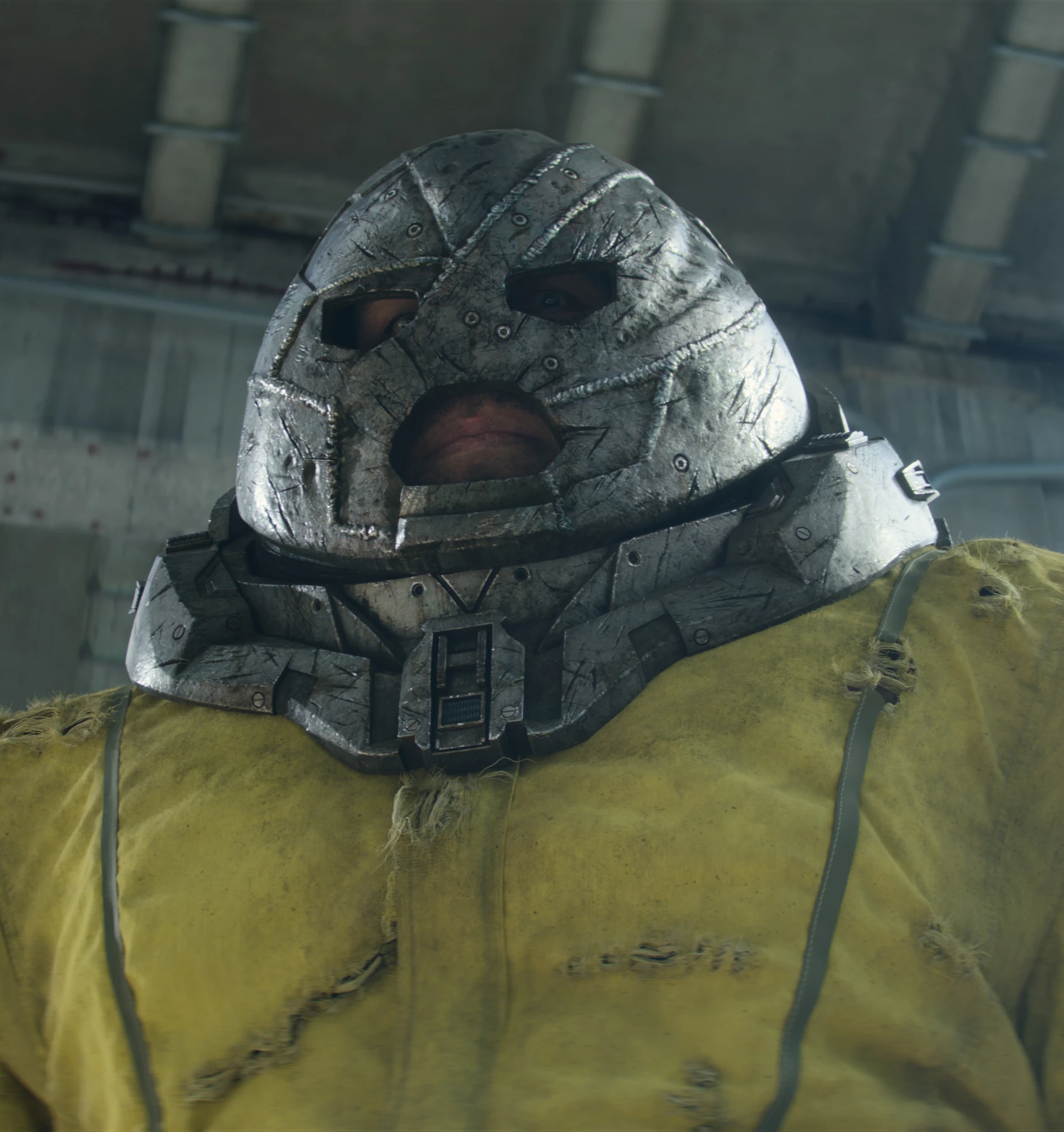
Image result for juggernaut in prison
For some, prison is less a dilemma and more a vacation

I first learned about this dilemma as an undergrad, and it will shock none of my regular readers to know that I was just as much a deviant then as I am today, which is to say, initially upon hearing it, I had a solution to the dilemma: tell your partner you’re going to rat him out.  When you’re both in the squad car, riding to the police station, given your right to be silent, look over at your partner and crime and tell them “Hey, just so you know, I’m ratting you out as soon as we get to the station, so you might as well do the same thing.”  How is this a solution, you may ask.  This is electing to receive the WORST outcome possible.  Yes: but it solves the DILEMMA: now there is no longer any doubt, fear, anxiety, or any pressure to make any decisions anymore.  The outcome is now determined: now all that’s left to do is react.

Specifically what I love about this solution is that it robs power from those that feel empowered.  The authorities “place” you in the dilemma, and you hop right out because you CHOOSE the worst fate, rather than end up with it.  And now that THAT’S over, you can move on to other things, like working on your escape plan, or finding the best lawyer, or deciding which gang you’re going to join in prison, or just ANYTHING other than the prisoner’s dilemma.  You have radically shifted the dynamic from being completely out of control to totally in control of your fate. Things are back on your terms.

Image result for squatting on a bosu ball
"I CHOOSE this!"

You have this power in life.  You are NEVER in a Prisoner’s Dilemma unless you CHOOSE to be.  Otherwise, your fate is yours to choose.  This is true in your training.  You can try to fight your fate, or you can choose it and move on to planning your prison break.  You are not in a dilemma with your genetics: you choose to maximize them.  Your injury is not a dilemma: you now choose to move forward with the injury.  And for the love of Crom, “should I bulk or should I cut” is NOT a goddamn Prisoner’s Dilemma: pick A choice and then go with it.

Because this is the thing about the Prisoner’s Dilemma: the dilemma is NOT about the fate you end up with: it’s that your power to control your fate has been robbed from you.  The dilemma is that your fate rests in the hands of others.  Specifically, the terms and conditions of the outcome are being set by the authorities, while achieving the “best” outcome depends upon another person to act in a specific way.  THAT is the dilemma: YOUR powerlessness in that situation.  But you can CHOOSE to still be powerful when you deny others the ability to control your fate.  You make the whole system crumble because you refuse to let the outside world dictate what is the ideal outcome.  The ideal outcome is the one wherein you got to choose your destiny.


Sartre would elect to just shut off the game

This is what frustrates me with so many trainees breaking out the spreadsheets and the MRV calculators and the studies on protein synthesis compared to optimal training frequency: they elect to make themselves powerless.  They WANT to be put into a prisoner’s dilemma, because they WANT to surrender their power.  They draw out the perfect diagram to illustrate how their success is totally and completely outside their hands, noting how genetics have to align perfectly with optimal training protocol and injury avoidance and so many things that are just outside their scope of control, and then they can just wallow and lament how much they have no ability to achieve their goals.  And honestly, it’s because it’s far more terrifying when your fate rests squarely in your own hands vs the hands of others.

Take back your power and choose your fate.  The truth is, the worst possible outcome in the Prisoner’s Dilemma ISN’T the outcome that results in the greatest prison time in total: it’s the outcome that is outside YOUR control.  An outcome that depends on the cooperation of external factors is far worse an outcome than one that you chose, as the former relied on the surrendering of your power.  Pick your fate and start planning your next move.


And hey, while you’re in prison, maybe they’ll let you lift some weights.    


Saturday, August 24, 2019

THE FREEDOM OF LIMITATIONS


In the past, I have written of “the tyranny of freedom”, and today I come to argue the other side of the equation in the freedom OF limitations.  Yes, once again I must clarify that, despite my propensity for typos due to the nature of how I write, I do in fact mean freedom OF limitations rather than from.  What, specifically, I mean to discuss in the fact that, in truth, it is the granting of limitations that ultimately give many trainees the freedom they so desperately crave in their training.  Oftentimes, trainees find themselves paralyzed and hamstrung due to the absence of limitations in their training, for without limitation they are given such absurd degree of freedom of choice that they feel a complete inability to make any decision and commit to any action.  Ultimately, these trainees feel compelled to make the BEST decision when given no limitations, and in their attempt to discover the best decision, they find they cannot make any decision.  Enter limitations.

Image result for No limits
They're telling you to keep calm when there are no limits because you SHOULD be panicking

Once limitations enter the decision making matrix, suddenly the trainee has MUCH more freedom, for now they’ve been obviated of the obligation to make the best decision.  They must NOW, instead, make the best decision for right NOW.  We’ve gone from Plato’s forms to Machiavelli’s realism, and the latter is FAR more easier to operate within than the former.  Once there are a few hardset rules of engagement that one MUST operate within, certain elements are removed from the table and we must instead work with what we have.  Sometimes this occurs in the realm of injury removing certain movements from our training, sometimes it’s a time constraint, sometimes it’s an equipment constraint, etc etc, but no matter what the situation, SOMETHING forces the training to adapt and overcome in their planning. 

And this is, in turn, where we experience so MUCH freedom, because now we are freed from the yoke of having to make the absolute BEST decision.  Instead of “how do I build the best program” it’s “how do I build the best program WITHOUT bending my knee” or “with ONLY 225lbs of weight” or “with ONLY 1 hour of training time”.  These massive, wide-swath cutting restrictions force the trainee into making decisions to operate the best within a certain paradigm, and from here, decisions are far easier to make.  No longer is it about making the best decisions in total, but simply the best decisions for that moment in time.

Image result for mike tyson peter mcneeley weigh in
Like maybe deciding not to show up for the fight...

This is the BLESSING of limitations, yet so many trainees lament them as a curse.  How bizarre.  And fundamentally, it boils down to a complete unwillingness to alter one’s approach and one’s thinking.  How many times have you seen a trainee in a ridiculously overstocked gym only to go “My gym doesn’t have a reverse hyper.  HOW am I going to run conjugate now?!”  Or they complain about how they only have an hour to train, or only 3 days a week to train, or are injured, or only have so much weight available, etc etc.  Here they are, being granted freedom from the responsibility of training the absolute BEST, and they complain.  They wallow in misery and defeat, rather than maximizing the blessing of being able to train creatively.  NOW is your chance to have real freedom.

But why wait until you are FORCED into these limitations?  Why not enforce these limitations upon yourself in absence of external forces?  This, once again, IS the freedom that you enjoy as an autonomous being.  You don’t need to wait until you are injured or constrained in order to enjoy the freedom of limitations.  When designing your training, from the outset decide ahead of time on what your limitations will be and let that shape your training.    You need no other reason for these limitations other than “I have decided these are the limitations of the training”.

Image result for Squatting on a bosu ball
"My training is ONLY going to be ineffective"

In turn, own these limitations once decided.  Often I am asked “Why don’t you train THIS way” when one views my training, and I answer honestly that it’s one of my self-imposed limitations.  The most obvious one is the limitation of time.  I budget an hour 4 times a week to lift weights, and 30-60 minutes once a week for conditioning.  For me, that is how much I will allow myself to train.  With that limitation, I am forced to be efficient with my exercise selection, and if I want to get in more volume, I have to find ways to ensure that I can get it done WITHIN that time.  This means making the most out of super and giant sets and short rest periods.  And in turn, now I am driven to start training FOR my training.  If I’m going to be doing supersets and giant sets and having short rest periods, I better have solid conditioning, or else the whole plan is going to fall apart.  How am I going to improve my conditioning?  Well let’s look at my limitations and let that decide how my programming will unfold.

You can observe how the mere addition of just ONE limitation works as the catalyst for further decision making, and has a domino effect that makes the entire training plan unfold.  Whereas before we stared out into a vast abyss of endless decision making potentials, each with a series of known and unknown consequences, we instead immediately shut off a whole spectrum of potential realities and vectored ourselves toward SOME sort of outcome.  Because, fundamentally, A decision is always better than no decision.  Make your decision to have limits and, in doing so, grant yourself some freedom. 

Saturday, August 17, 2019

BE THE VILLAIN IN YOUR STORY


If you observe almost any human, you will note that they are “the hero in their story”.  This phenomenon refers to the notion that, when we consider our lives (and hence, our story), we see ourselves as the main focal character of said story.  Hell, who is going to see their lives and consider themselves to be a bit-part, an extra, an NPC, a throwaway character, etc.  WE are the star of the show, the world revolves around us, everyone ELSE is the side character to OUR story, etc etc.  But not only that: we are the HERO of the story.  We overcome adversity, triumph in the face of evil, beat the bad guy, save the world, etc.  But that’s the thing: to have a hero, one must also have a villain, and in that regard the villain gets EQUAL billing to the hero in the story.  So why not instead choose to be the villain in your story?

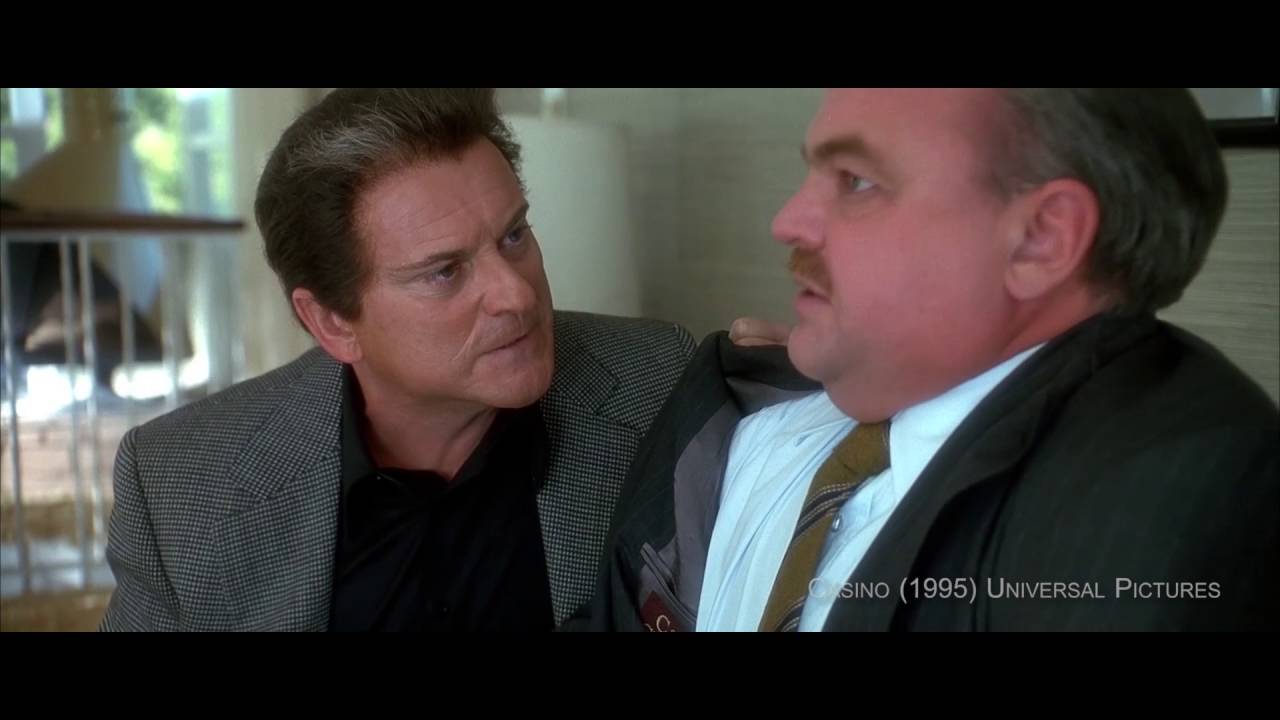
Image result for joe pesci casino
And if your story is full of villains, be the craziest one

The villain is CLEARLY the superior choice if you were going to pick a character to be in a story.  The villain has ALL the advantages.  Otherwise, they wouldn’t be a villain: they’d be the comedic foil, just some slapstick bully that gets punked early in the story.  No, the villain is all powerful from the get go, and may even continue to grow in power as the story progresses.  The hero, on the other hand, starts disadvantaged, because rising up from below as an underdog story is ever so inspiring.  Wanna know why it’s inspiring?  Because it’s not SUPPOSED to happen, and in life, it rarely ever happens.  99/100 times, David ends up a smear on the bottom of Goliath’s sandal, Rudy gets a concussion, Rocky gets knocked out in the first round, etc etc.  The villain is SUPPOSED to win: that’s what makes a hero’s story so dramatic.

And BECAUSE the villain is supposed to win, they are MUCH more self-assured than a hero.  Heroes ALWAYS inevitably end up in some melancholy soul-searching montage where they are forced to wonder if they’re REALLY doing the right thing, if they’re on the just-path, if they’re making the right choices, etc etc.  SNORE.  A villain KNOWS from the get-go that they are doing right for THEM, and anyone that gets in their way better watch out.  They will rip-off bookies, poison water supplies, and sacrifice their own kin to advance their agenda (for those of you playing along at home, see if you can spot the references).  And once again, this allows the villain to work SO much faster and amass so much more power than the middling hero, who ventures out on wobbly legs taking on the big-bad world.  Yes, that’s a better story, but it’s an unrealistic one.

Related image
This is why magic is for chumps

Along with not needing to justify their actions beyond the simple fact that it advances their agenda, one of the main benefits of choosing to be the villain is the ability to engage in depravity.  Heroes have rules.  They have morals.  They have codes of ethics, codes of honor, codes of valor, etc etc.  “Noble villains” that have these things are really just pandering to the reader for the eventual transformation of the “villain” into an anti-hero (I’m looking at you Vegeta) but a real dyed-in-the-wool bane-of-all-that-is-good villain is a totally irredeemable monster, possessing no qualms with taking actions that would give any other reasonable individual pause.  When you see yourself as the hero of your story, you limit yourself: you’re forced to walk the straight and narrow path which is, in turn, straight…and narrow.  LIMITED.  But man, villainy has all SORTS of potential to it.  There’s no telling just WHAT you can accomplish with enough evil, depravation and sin, and none of those pesky morals to hold you back.

Alright, before I go any further, let’s remember that this is a blog about getting bigger and stronger.  This is NOT a call to go rob jewelry stores and stage military coups.  What I’m saying here is that, when you start thinking of yourself as the villain in YOUR story, you open yourself up to so much MORE success than when you keep thinking of yourself as the hero.  When you picture yourself as the hero, you develop the “hero-complex”, and you have to go right the wrongs and do the good deeds.  In the training world, trainees make themselves heroes by refusing to give in to the “temptation” of training like all those people out there getting results.  There the hero is, surrounded by villainous “bros” in the gym, fiendishly hitting their muscle group splits and doing isolation exercises all in pursuit of the inglorious large, impressive muscles, but not the hero!  Oh no: he is on the good and noble one truth path of only compound exercises, heavy weight, low reps, and full body.  …what are you, nuts?!  Go train like those guys that are out there getting theirs!  Go train like a villain! 

Image result for squatting on a bosu ball mythical strength
Way to go, hero

Go self-destruct in the pursuit of power: like a villain!  Don’t be the coy hero that holds back until he really needs it, because guess what: doomsday already happened and you missed your chance.  You’re living in the aftermath: you’re dead and don’t even realize it.  Instead, give IN the hubris: keep pursuing greater and greater power.  But at what cost?  Probably some injuries, maybe even a surgery or two.  But remember how Goliath laughed at David?  Do you know why?  Because he was the Philistines’ greatest warrior: he had slaughtered scores of other, much more WORTHY warriors.  Pride may have been his downfall, but he EARNED that pride by BEING such an accomplished villain.  All the way up until the moment he died, he lived a life of opulence and greatness because he was something so fantastically great that nothing else could compare.  Pride was the downfall, but in order to have a DOWNfall, you have to be UP at the start.  Be villainous enough in your own story that when the hero of the story comes along, you’ve amassed so much power the narrative changes.  This is no longer an action-fantasy: this is a tragedy. 

And in tragedy, the villain gets to win.

Sunday, August 11, 2019

“LET’S GO MAKE SOME BAD DECISIONS”


The title for this post is a quote I said to my wife right before we ran her first Murph workout together.  She had been training in prep for it for a few months, coming in as a half marathon runner, so the run was no concern.  We had been building up her pull ups in prep, and had spent time drilling the SSB squat just to help learn to overcome some misery, which became pretty critical in gritting out the workout.  After the first mile run, she sure did make a bad decision, because she hit 10 solid (band assisted) pull ups in the first set and said “I’m going to keep that up and get the 100 done in 10 sets”.  I’ve been there: I knew exactly how that was going to go.  Next set was something like 8, then 6, and now we were at 3s and 5s.  But hey: now it was done, and all we had left was 200 push ups and 300 squats and another mile run…yay. 

Image result for clutch book of bad decisions
To drive the point home, we listened to this album the whole time.  It's a great one too: go get it.

This is just becoming storytime now, but let’s keep that going.  Some of my readers out there might be going “Dude, you’ve done Murph before, you were training your wife, you know her capabilities: WHY didn’t you tell her that 10x10 was a bad strategy?  Why didn’t you coach her to go submax and not burn out early?”  Because bad decisions are how we GROW: literally and otherwise.  Look, maybe the rest of you are super smart and mature, but I’m basically a child in a 30+ year old body, and if I just hear not to do something, that doesn’t register, but when I DO the thing I’m not supposed to do and I find out WHY, I LEARN that lesson for sure.  Because I knew not to burnout on Murph before the first time I did it…and I still burned out.  Because I needed to MAKE that bad decisions to learn the lesson of it.  And if I just told my wife “hey, no, that’s a bad idea: don’t do that”, MAYBE she woulda listened to me.  But if she did, I KNOW she woudla resented me for it (rightfully so), because I had robbed her of an opportunity to learn.  She woudla spent the rest of the workout thinking “Man, I HAD that 10x10.  Why wouldn’t he let me do it.”  Instead, she got to learn her limitations and find out what happens when you burn out on pull ups in Murph: a rite of passage, as far as the workout goes.

But that’s also why I love the woman, because she’s an athlete and will rush right into those bad decisions.  Because there’s a lot of folks out there that are so paralyzed with fear of making a bad decision that they refuse to make ANY decision.  Wanna know the worse decision you can make?  None.  At least a bad decision has you moving in A direction.  Even if it’s not the right one, it’s STILL movement, and sometimes we need to move backwards or sideways before we can move forward, but staying still is certainly NOT getting us somewhere.  There’s nothing wrong with making a bad decision, as long as we treat it as a learning opportunity.

Image result for squatting on a bosu ball
What have we learned?

But therein lies the issue: our ego.  And it works in two different ways (before I go any further, I just wanna say that one of the little joys I get out of writing a blog is that I get to start sentences and paragraphs with “and” and “but” as much as I want and no one can stop me).  First, people can have such a low opinion of their intelligence that they doubt their ability to even make a GOOD decision, and assume all of their decisions will be bad or wrong.  These people, in turn, refuse to make ANY decision.  Dude, give yourself SOME credit.  You made it THIS far in life: clearly you can make a good decision every once in a while.  But then, there are those that suffer from the opposite issue: they refuse to acknowledge WHEN they made a bad decision.  The action is made, it was a total bust, but to spare their egos the ache of failure, they blame everyone BUT themselves.  In turn, they miss the value of the lesson.  Learning opportunity wasted.

This is why I say “let’s go make some bad decisions”.  Cut to the chase and declare the decision a bad one BEFORE you set out.  Because you know what happens when you f**k up a bad decision?  It accidentally becomes a GOOD one.  Sunuvabitch, I was trying to get rhabdomyolysis and all that happened was my conditioning shot through the roof!  I was trying to overtrain and instead I just got bigger and stronger than I ever thought possible.  But meanwhile, if it turns out your bad decision WAS a bad decision, acknowledging it at the start saves your ego and you get to right away benefit from the lesson contained IN that decision.  You don’t have to save it, you don’t have to defend it, you don’t have to damage control or spin it: you KNEW, from the start, that this was a bad decision: now we just have to get the benefit from it.

Image result for hulk hogan suburban commando
Who DIDN'T know this was a bad decision at the start?

And to end the story that I started: once my wife and I were no longer laying on the floor staring into space questioning ourselves, so told me that me saying “Let’s go make some bad decisions” motivated her through the workout.  There were times where she was questioning if she could actually make it through, but she pushed all the way through because she no longer needed to worry if she was making the right choice: she KNEW it was a bad one, so that’s one less thing to worry about.  She thanked me for not talking her out of the 10x10 pull ups, and definitely learned the lesson and will apply it to Murph next yet (another bad decision made already!)  And, as she discovered by not being able to straighten her arms for a week, it was DEFINITELY a bad decision, and a good lesson learned.

Saturday, August 3, 2019

YOU ONLY NEED REASSURANCE IF SOMETHING IS WRONG


I’m going to take you into my personal life a bit here, dear reader.  I have a friend that I love dearly.  They are incredibly close, have been there through thick and thin, and they are very loving and nurturing.  However, when I’m driving, this person is terrifying, and it’s BECAUSE of their loving, nurturing, and caring nature.  You see, this person wants to ensure that the driver isn’t worried, and so, when I drive, they spend the entire trip reassuring me.  If we see a police officer, they’ll be quick to point out “Don’t worry: you’re going the speed limit.  They have no reason to pull you over.”  If we go through a traffic light that is yellow they’ll say “Don’t worry: the light was yellow.  You didn’t run a red light.”  If we’re driving by a cyclist they’ll be quick to let me know “You’re on your part of the road.  You’re in the right.  You get to share the road with them just like they do with you.”  But all this serves to do is get me wondering about WHY I need this reassurance.  If all of this stuff was obvious, wouldn’t it need to NOT be said?  The only time you NEED reassurance is if something is wrong.

Image result for tis but a scratch
Dude needed no one's opinion but his own

Am I wrong?  And did you appreciate the irony of such a question?  Perhaps I’m just completely off base on this one, but getting reassurance I did not ask for simply means, to me, that I’m doing something wrong.  Why?  Because correctness is self-evident, and typically further exemplified by results.  I pour the cereal into the bowl, then pour the milk into the cereal and breakfast is made: no one needs to reassure me.  Meanwhile, if I pour the milk into the bowl first, someone needs to say “Hey, its ok: you just have to pour the cereal in carefully now.”  Well crap folks: it’s pretty obvious I f**ked up.  It’s NOT ok.  I’m being reassured because something is WRONG and now someone is coming around to help damage control the situation.

And I bring all this up because those of you seeking “reassurance” are, in fact, seeking ASSURANCE.  Specifically, you KNOW you’re screwing up, and now you’re hoping someone can come around and make everything better.  You post your training plans online KNOWING that they’re a dumpster fire and hope that someone will come around and say “Hey, its ok: you just need to swap preacher curls with hammer curls!”  You haven’t eaten a vegetable since the last time a good Star Wars was in theaters and you hope someone will come and (re)assure you that vegetables are overrated and protein and carbs are all that matter.  You would not seek reassurance unless you already had the seeds of doubt sewn, and the reason you doubt is because you KNOW you’re making a mistake.

Image result for squatting on a bosu ball
That's why there are two people in this photo

The power of positive thinking is real, as is the detriment of negativity.  You possess the ability to MAKE results occur, but when you seek reassurance, you, instead, take the very action needed to cripple your results.  BE your own reassurance.  When you decide on a plan of action, know that it’s the right one and seek no one else’s approval on it.  The sheer act of asking for a sanity check, reassurance, a second opinion, an expert eye, etc etc, is an admission of even the slightest possibility of error, and has no room in the place of an infallible conqueror.  When the decision has been made by YOU, that is the assurance.

And this means, if you’re unwilling to make that decision, DON’T act until you are.  My goodness folks, nothing hinders results better than “committing” to a plan that you won’t actually commit to.  And I know that’s going to chap a bunch of readers out there, but I am telling you that it does not matter HOW well put together a plan is if the person executing it does not believe in it.  I know we want to think that science dictates belief is unnecessary for outcomes, and that a trainee that performs the best approach (as dictated by science) in their training will get better results than someone employing an inferior approach, but I’ve seen it first-hand enough to know that it simply is not true.  Programs that I’ve witnessed first-hand result in fantastic growth with the majority of trainees will fail catastrophically when a trainee sets out and says “I don’t really think this program will work, but I’ll give it a try because everyone says it will.”  The “everyone says it will” is the reassurance that trainee sought because they KNEW they were doing something wrong.  In turn, that reassurance was worthless, because the trainee STILL couldn’t commit themselves to the training and, in turn, could not get the benefits of it.  You need to find something you’re willing to sign off on, and then execute it with full faith and confidence.

Related image
No matter HOW much it upsets everyone else

Abandon all plans and actions that require reassurance.  Let THAT be your reassurance.  “If I need the approval of others, then this is not a good plan.”  And let the inverse be true as well: if it IS a good plan, it requires NO approval of others.  Hell folks, the majority opinion is worth so little that it honestly has an INVERSE value.  I’m at the point in my training career that, if I hear enough people say something is a good idea, I quit doing it.  I genuinely don’t know WHAT a scapula is, but I’ve heard so many weak people say that I’m supposed to retract it that I’m about to open up an anatomy textbook and learn some latin so I can find my scapula and detract it when I lift.  If the majority starts reassuring you on something, you KNOW you messed up.  And, in turn, if they start questioning things, there’s a fair chance you’ve made the right call.  Among the accomplished?  I’ve got a feeling a fair majority of them will say “if it works for you: keep doing it.” 

Isn’t that reassuring?    

Saturday, July 27, 2019

ROLE PLAYING GAMES, CHALLENGE RATINGS, LEVELING UP AND YOU


Alright, to begin with, I have written a post in the past titled “It’s Not a Goddamn Role Playing Game”.  In addition, u/purplespengler over on reddit has created his own fantastic blog full of rants on training that also details how lifting is NOT a role playing game, and in both of our writings, we really against the type of thinking that transfers over from role playing games to lifting that is ultimately destructive: that of min-maxing.  However, allow me to discuss a time honored tradition savvy role playing gamers have engaged in for decades that is in fact an INCREDIBLY viable approach: that of seeking out VERY powerful enemies to fight in order to rapidly advance in levels.  Punching so incredibly far above your weight that the reward you receive for victory is borderline absurd.  I’m sure there is a nerdy term for this that I’m ashamed to not know, but let’s just say this: if you’re going to approach lifting like an RPG, at least do it the RIGHT way.


Image result for david vs goliath
Remember: David leveled straight from shepherd to King after this fight 

This avenue of gameplay exists in video and table top RPGs, but it’s pretty much the same no matter how you approach it.  You (and, most likely, a party of your friends) decide to go off course in your game, wonder into an area you have absolutely NO business being in, finding an enemy that is well above your acceptable challenge rating (for you non-nerds, basically a dude way more powerful than you should be fighting at this point in the game) and somehow, through just sheer blind stupid luck, willpower, tenacity, determination and using up EVERY single disposable item you have, you manage to overcome this enemy.  The comedy being that, later in the adventure, this dude will just become a standard bad guy that you mow down on your way to bigger and better things, but on this particular day, at this particular time, they may as well have been God…and you won.  The game mechanics weren’t built to support this, and suddenly you’re up 2, 3, 4, 5 levels, with way more gold than you should be carrying at this point in the game.  You then get back on course to your next adventure, absurdly outclassing everything you encounter because of this one stupid gambit you risked that paid off ABSURDLY well.

Folks: THAT is lifting.  That is exactly what training is.  THIS is where RPG players screw up: because they think lifting is level grinding, minimal risk for moderate reward, when really it’s about MAXIMAL risk for maximal reward.  At least, assuming you want to be anything worth being the hero of a story about.  If you’re content to be some NPC shopkeeper, by all means, keep grinding against rats and kobolds, but if you wanna be the hero of the game, you gotta start taking on liches at level 2.  When you sit down and look at your training program for the next block, at least SOME part of it SHOULD scare you, if not EVERY single workout on it.  When you look at your nutritional plan, you should immediately assume you did the calculations wrong.  You need to be turning wrong corners and running up on dudes well above your challenge level and realize that you’re backed into a corner.


Image result for peter mcneeley mike tyson staredown
*Caution* it can often go poorly

And, in turn, you need to SURVIVE your training.  These fights above your challenge level are about a war of attrition.  The enemy hits hard and you’re plinking away single digit damage, but EVENTUALLY, if you can keep surviving the onslaught, you’ll have to win.  It’ll be a LONG battle compared to the short ones that are more within your scope, but the payoff will be worth it.  And this means tapping into every resource you have to survive.  Those battles that are within your challenge rating won’t even need a healing potion, while these ones are to require you to use that megaelixir you were saving for “just in case.”  Guess what dude: “in case” just happened. 

What the hell does that metaphor mean?  That means that, when you take on these challenges beyond your ability, you’re going to tap into every part of you that you can to survive and overcome.  You’re GOING to want to quit, you’re going to feel bad, you’re going to be sore, you’re going to hurt, you’re going to walk funny, you might even pick up some small injuries, you’re going to be exhausted in your day to day activities, you’re going to eat like it’s your job, you’re going to be sick of cooking all the time, you’re going to be drinking water around the clock to stay hydrated, you’re going to have to dial in everything and use every advantage in your toolbox, because those EXTREME recovery measures result in extreme recovery, which results in extreme results from extreme training.  Yeah, when you’re just punching the clock, you can stay up late, eat fast food, and dork around, but when your training is about to take your life, you gotta fight with everything.


Image result for jack dempsey vs jess willard
And you're gonna have to punch UP

And hey, guess what: right after that stupid impossible fight where you leveled up a whole bunch, it’s PROBABLY not a good idea to go have another one immediately after that.  Hey look: MORE times where some RPG logic pays off.  If you just used all your expendable items to survive ONE fight, you need to go replenish them.  So go ahead after that and take some leisurely training to recover from the insanity you put yourself through, but at least EARN that time off first.  Go do battle with dragons and ogre-mages and liches and all sorts of high level insanity and then come back and smash some goblins for a bit so that you can do it all over again.  Appreciate the fact that, while your peers are over there still grinding away and being safe, you’re making huge jumps in much shorter timeframes because you’re willing to use up some of those expendable items rather than hording them for a “just in case” that never actually happens.  Actually go out and seek challenges worthy of you using every tool in your toolbox, then actually USE those tools. 

Saturday, July 20, 2019

HOME GYM EVOLUTION AND LESSONS LEARNED


(Caution: LONG post ahead, but rather than try to milk it by breaking it out into a bunch of small ones, I’ll just let you read it at your own pace.

If you want to just see the consolidated list of lessons learned, scroll to the bottom, but if you want a story, keep reading)

u/pluecebo over on Reddit has been asking me to detail the evolution of my home gym for a while now, and I’ve just been too lazy to sit down and do it, so here I go.  This has been a great trip down memory lane for me. 

For a brief history, I actually started off with home gyms.  When I was 14, I spent $100 on a standard bench with 2 adjustable dumbbells at Play-it-Again Sports, that had about 200lbs of weight with it.  I pretty much benched and curled 6 days a week on it until I learned what a dumbbell row was, and then I did that.  After about a year of that, I started using my high school weight room, and then, when I went to college, I used their’s, but I dreamed of having a “real” home gym during college.  I started working immediately post college, was in a commercial gym, got yelled at for dropping deads by one of the goobers lifting there, showed up the next day and saw a sign saying the gym was going to be closed for 2 weeks for remodeling, and immediately went out and bout an OLYMPIC set from Play-It-Again Sports.  So now let’s talk about that home gym.

GENESIS

The very first home gym didn’t even have a power rack.  I ordered one that night, but I needed a place to lift NOW.  What I DID have was an adjustable bench station that I found for free on a curb, so I put the uprights as high as I could and did good mornings out of it (since I didn’t have enough weight for max effort squats, as I was running a Westside Barbell inspired approach at the time).  I worked up to a max of 275 and then did some stiff legged deadlifts and ab work. 


The aforementioned bench

I had ordered a power rack that night from New York Barbells (one of the few sites to order equipment from, back in the day), and suddenly my dream was coming true.  A power rack seemed like a HUGE deal at the time.  It arrived pretty soon, and while I waited I bought some more used plates from Play-It-Again, along with a set of adjustable Olympic dumbbells and an ez curl bar from Walmart.  Threw in a plate tree too.  I soon learned the value of having more than 1 barbell, as it meant being able to set up multiple stations vs having to take ALL the weight off the bar and loading it all up again.

My deadlift station…those puzzle mats don’t do crap


And finally the power rack.  I still have it, 12+years later.

Eventually, the time came to move, so I packed up the gym (one of many times I’d end up doing it) and had to learn a whole new set up.  Things were looking great though: I was moving to a house with a basement, and since it was somewhere with harsh winters, the basement was going to be far better than the garage.  I’d have the entire space to myself as well could totally stretch out my legs and everything. 

SUMMARY OF LESSONS LEARNED:

- Have at least TWO barbells, even in the most basic home gym.  They don’t both have to be great, but just make it so you don’t have to spend all your time stripping weights. 

- You can get a LOT done with just the basics if you’re creative enough.


THE DREAM GYM TURNED NIGHTMARE


A nice tradition my wife and I have for each other is, whenever we move, we allow ourselves to splurge on something (financially).  For me, it’s pretty much always gym equipment, for her, a Coach purse.  In my case, I sprung for a New York Barbells Safety Squat Bar.  It was $200 less than the Elitefts one, and the NYBB power rack had served me well, so it was probably good, right?  There was a 1000lb model and a 1500lb model, and my wife said “Tell you what: if you ever squat over 1000lbs, I’ll buy you the other one”, which was a fair challenge.  In truth, knowing what I know now, it’s not a good SSB.  It does the job of keeping your shoulders neutral, but the camber angle is such that you can’t “no hand” it like you can an elitefts SSB, which means it changes the squat angle significantly.  Don’t get me wrong: I still got plenty strong with it, and I was able to use it later to train around an ACL injury, but now that Titan has a knock off that’s VERY much like the Elitefts one (and I own that one), I see no reason for anyone to buy the NYBB one.

I also ended up getting a trap bar at another Play-It-Again Sports, because during the brief week where I was training in a commercial gym waiting for my home gym to arrive, I ended up injuring my glute/back so bad that I couldn’t dress myself for 2 weeks, and to this day I can STILL re-trigger this injury.  I actually ended up taking a 2 year hiatus from all pulling off the floor with a barbell, and had just about wrote off the deadlift entirely.  You can see the iconic patio tiles in these photos, but at this time, the idea of using them for ROM progression never entered my head.

This was also where I got my first set of chains, after buying some bands in the previous location.  I was able to find some 1/2 chain at a tractor supply store, and to this day it’s the largest chain I’ve found commercialy available.  Getting 5/8 chain is tough, but I found chains were just SO much easier to deal with compared to bands.

I loved training in this space.  I was below ground, so it was cool in the summer and warm in the winter.  I could play my music loud, I could slam weights, and I bothered no one.  So what made this dream gym into a nightmare?  Because, apparently, basements can flood.  And mine did.  A LOT.  And it was raw sewage.  And by “a lot”, I mean we had a tupperwear tub with a Christmas tree in it that was floating around my basement like the arc in a TERRIBLE rendition of the Christian flood myth.  Everything in my gym got covered, and the training space (and house) was eventually deemed “not inhabitable by humans”.  So I got things professionally cleaned and we moved again.

Lessons Learned:

-          - Safety squat bars are cool, but if you’re going to go cheap, go with Titan (and get the 2.0).
-          Basements seem like the best spot for a home gym, until you run into basement problems.  If nothing else, install a sump pump.

-        -  Bands are great for commercial gyms, because they’re lightweight and you can sneak them in, and most of the equipment is going to be bolted down and you can get hex dumbbells to anchor them, but if you’re at home you don’t have to move the chains much and are free to make noise.  And be aware: they make a racket.

LIMITED SPACE/ENTER POWERLIFITNG

We didn’t move far: just down the street, but this time to a house with no basement and a 2 car garage.  Compared to the carport we had before, this seemed awesome, but with how harsh the winters were in this location, we needed to be able to park both cars in the garage AND I still wanted to be able to train there.  This became a time where I’d learn the value of putting things into corners/the permiter, as I could no longer just spread everything out.  Things got VERY space efficient.


Look at how everything is pushed against the rear wall and the left side wall (where we parked the smaller car).  This way, I only needed to move 1 car out of the garage to be able to train.  In addition, I’ve got the bars suspended on the wall (just used some wood screws on the beams), and have a lot of plate storage options.

On top of all this, at THIS location I started competing in powerlifting, and with that, started buying a lot more toys for the gym to help with that.  I bought a Texas Power Bar (since it was the “gold standard), a Texas Deadlift Bar, a Yukon Fitness Glute Ham Riase, a swiss bar and a Louie Simmons CorEvolution (his attempt to break into the home fitness equipment market with a lightweight reverse hyper).  I also ended up never rebuilding my adjustable bench station, because it took up too large of a footprint in the gym, so instead I got a cheap freestanding bench to shove in the power rack when I benched, and take out when I was done.  This lasted until it broke, at which point I got a solid adjustable bench from an online yardsale site (always keep your eyes open for deals there).  Also bought a powertower on sale at Big 5 Sporting Goods.

In truth, a lot of those buys didn’t last.  I still have the Texas Power Bar, but the last time I used it was for car deadlift simulators.  As a powerlifter, it was good for training the powerlifts, but once I got into strongman it became pretty pointless.  An axle does just about everything a barbell does, and getting familiar with that pays off.  That GHR is currently in my basement because it couldn’t fit in my home gym space and I hadn’t used it in years.  That CorEvolution WAS a solid way to learn what the hell was the big deal about reverse hypers, and I still have it in my basement because they don’t make them anymore and it’s a collector’s item, but I should just bit the bullet and bought a real reverse hyper (which I did, later).  This swiss bar is primarily used for neutral grip chins at the top of the rack, but I do use it for incline benching, since straight bar inclines suck.  But I also didn’t start incline benching until I ran Deep Water last year.

But otherwise, this was a solid training space.  It was cold as HELL in the winter.  It got to -60 with windchill, so I learned the value of dressing in layers to train.  Thermal baselayers are better than sweats for the upperbody if you’re doing barbell squatting, because it allows you to still hit the same part of your upperback.  For benching, you still want a t-shirt on top, or else you’ll slide all over the bench.  A good knit cap is invaluable.  Instead of gloves, I’d have a heat dish to warm my hands up on.  Also, 2 pairs of socks, since lifting shoes are thin.

This was where I discovered ROM progression.  Just an interesting aside.  Bought more of those patio tiles and though “why the hell not”.

I was able to establish some national powerlifting records in my federation/weightclass training in that space, and hit my first 600lb deadlift.  It’ll always be nostalgic to me for that.  But, once again, the time came to move.

Lessons Learned:

-       -   Make use of the edges and perimeter in a confined space.  You’re gonna have to “build” the training space for each session and put it away when you’re done, but you can still make it work.

-      -    Unless you REALLY need it, an awesome barbell…is still “just a barbell”.  Instead of a texas power bar, I’d have a cheap barbell AND a deadlift bar, or a SSB, or a buffalo bar.  Just any sort of bar that does something other than just be a barbell.

-     -     Get stuff off the floor as much as you can.  Hang it up, put it on shelves, etc.  Floor space is invaluable. 

-   -       Bench press stations take up too much space compared to a free bench in the power rack.  Unless you are a bench press specialist, I don’t think they’re worth it.

ENTER STRONGMAN


I had moved from somewhere with harsh winters to the central coast of CA: mild weather year round.  In turn, I wanted to no longer be cooped up inside the gym, and instead get outdoors more.  The solution: strongman.  I found a strongman competition close-ish to my house about 3 months away, went out and bought some steel pipe and made an axle and a set of farmer’s handles.  I also REALLY cashed in my moving splurge by getting a for REAL reverse hyper from Rogue, as they had just recently upgraded their home model to something better than their poorly reviewed 1.0 model.  Also, since weather was mild, I could park my car outside year round, which, when paired with a 2 car garage, once again meant I could let my gym spread out some. 

I did the first comp and got absolutely stomped on the yoke.  Figured not every comp was going to have a yoke…and then my second one did…and my 4th…and my 5th.    Eventually I learned my lesson and went and got a Pitbull Econo-yoke.  If you’ve never purchased from Pitbull before, Alan used to deal out of MySpace (which just saying that I’m sure alienated some of my younger readers) but now, you go to his facebook page, see something you like, text Alan, paypal or money order him the cost of the item and then he’ll build and ship to you.  …yeah, it’s SUPER old school, but he’s been in the business for a decade at this point, and for the longest time was the ONLY dude making strongman gear.  The yoke was functional, and I used it to train for the 775lb yoke walk that eventually blew out my ACL, but I don’t fault the Pitbull yoke for that at all.  If anything, the fact I was able to walk that much weight at all is proof of how effective it was.

HERE COMES A NEW CHALLENGER

While still at that location, I took to regularly perusing Craigslist for home gym finds, and found the Holy Grail of a deal one day.  This is a repost of when I reported my score to StartingStrongman


I had been dreaming of getting Ironmind stuff my whole life, but the price was always so steep it didn’t seem viable. This came in at roughly a third of retail, so I leapt on it.  Suddenly, my home gym had exploded.  Here is a photo of the inside of my minivan after I had already unloaded HALF of the equipment


This required a significant reorganization of the space, and once again I fell back to some of the lessons I l had learned from previous moves.  I shoved the reverse hyper into a corner, rather than the middle of the floor, sold the power tower (since my Ironmind stands could be dip bars), and otherwise shoved things along the walls or corners.  Also got a set of 50lb powerblocks for $40, a weider cable station and a keg off a yardsale site. I was becoming a pro.  My wife got me my first ever strongman log, which I converted from a 9” log to a 12”+ log with a little DIY.  She also got me a set of 105lb dumbbells, which were great for all sorts of pressing, rows, AND holding down the feet of my reverse hyper to keep it from bucking.  And she got me a prowler.  These were all birthday gifts, and my wife is awesome.  Rounded this out with an Ironmind sandbag as well.  Also made a DIY circus dumbbell out of some home depot buckets and a piece of pipe leftover from my axle.


I ended up blowing out my ACL at this location, and in truth couldn’t have had a better training space.  I used that cable station for a lot of my pulling, could set up for seated pressing in my rack, the reverse hyper was still viable, etc.  I ended up treating myself to an Ironmind Apollon’s axle, because, quite frankly, the Rogue axles suck compared to just doing a DIY out of pipe and the Ironmind axle is awesome. 

Eventually, it came time to move again…and it suddenly dawned on me just how big this gym had grown.  However, unlike some others, I refused to sell off gear or put it in storage simply because it would be inconvenient to move it: this was MY gym, and it took me a long time to build it.  I thought back to how important it was to me when I started it all, so I broke down as many pieces as I could and did one of the most exhausting loading medleys in my life.

Lessons Learned:

-      -    If you’re going to compete in strongman, get a yoke.  And what’s funny is, I don’t see yokes in that many shows anymore, but even if you don’t HAVE to yoke, the yoke can double as a rack, you can use it to load implements over, you can press it, you can push them like a sled, etc.  Also, I hate to spoil the next part for you, but I ended up upgrading to a Titan short yoke later simply BECAUSE it was so modular.  Go for one of those.

-      -    Kegs are some of the best strongman implements you can get.  Most can be had cheap, and you can press or carry them.  I had 2 at this point, one loaded to 100lbs, one loaded to 182.  Allowed for variety.

-      -    Sandbags are also helpful, but you can’t abuse them as much as a keg.  I would drag my sandbag into place for medleys, and eventually that caused it to rip.

-       -   If you’re not going to buy an Ironmind axle, just make one out of plumbing pipe and gorilla tape.  A fair compromise is a Titan axle, which runs about the cost of just making your own.  Don’t buy someone ELSE’S plumbing pipe with a powder coat on it for $150: that’s just silly.  Mike Bartos also makes an axle that is apparently pretty cool.

-       -   Yardsale sites/craigslist are goldmines.  Jump when you see a good deal, and find a way to make it work.

-      -    Build your home gym like you DON’T have the space.  I had to do the re-org in the first place because I had built it lazily the first time.

STRONGMAN…AGAIN

I was 9 months post ACL reconstruction when I had to relocate the entire home gym, so that was a great time to discover if all the surgery and physical therapy paid off.  I was once again somewhere with harsh winters, HOWEVER, I also STILL had the exact same car I had since the very first gym…so I cared less about it getting left out.  This is good, because we ended up moving somewhere with a 1+ car garage…and my wife still needed to be able to park in the garage.  Thankfully, there was a blessing in the form of a storage room attached to the garage.  I took all my lessons learned and constructed a training space


What I put inside the storage closet


I got back to competing in strongman at this location, and training was back on track.  One other boon occurred during this time though: Titan Fitness started up.  Suddenly, strongman gear was dirt cheap and shipped for free.  I remembered when Strength Shop did this exact same thing, AND I remember their prices steadily climbing up over time once they had flooded the market, so I leapt on Titan stuff before that had a chance to happen.  I ended up buying a Titan 12” log and then cut the padding off my 9” to have 2 different sized logs.  I bought a Titan short yoke and sold my pitbull yoke.  I got more bumper plates, j-hooks for the yoke, crash pads, a 2.0 SSB, and probably some more stuff.  My wife got me a 20” Stone of Steel, because, once again, she’s awesome.  I bought a front squat harness…that was dumb.  Once I got a Titan 2.0 SSB, that made far more sense for front squats.  Bought an Airdyne because everyone swore I needed to have one, used it a few times, and sold it.  They’re neat, but I can find other ways to get in cardio.  I also ended up buying a circus dumbbell, because I was tired of dealing with my DIY one.  And I picked up a boneyard Rogue echo bar because I was running Deep Water and wanted something without center knurling for cleans.

I did lots of cool things at this location: ran Building the Monolith and Deep Water, took first in some strongman comps again, but nothing terribly noteworthy as far as home gym evolution goes.  At this point, I was starting to recognize that I was spacing myself out of home gyms.  It was less about getting new stuff and more about upgrading and replacing the old stuff.  And, knowing I was going to have to move it all AGAIN, I needed to pace myself.  Because, really, I wanted a car deadlift frame, but I knew that couldn’t happen.

Lessons Learned:

-       -   I got to use the prowler a lot more at this assignment…and it’s awesome.  Seriously, it’s absolutely the best off season conditioning tool on the planet.  Limited footprint, little set up necessary, hammers all the right muscles, etc.  Get one.

-       -   It’s much better to have a 12” log vs to make a 9” log into a 12” log.  Buy right the first time.

-       -   Don’t shove your reverse hyper TOO far into the corner.  I did that to save space here, but it meant I had to crawl underneath it to set the DBs on the feet to keep it from rocking.  Pulled my lats several times in the morning doing that, and realized I was phasing the reverse hyper out of my training because I didn’t like setting it up.  That’s dumb.

-       -   Circus dumbbell: I’m torn.  You’re not going to get better at it without doing it, but it’s really only useful to getting better at circus dumbbell.  They’re expensive for so little gain, and with home gyms I tend to make it a rule that a piece of equipment has 3 uses so I can justify having it.  That said, I saw Brian Alsruhe using CDB cleans as part of a conditioning circuit, and that made sense to me, so I might try that.

-       -   The airdyne was proof that, if you need to convince yourself to get something, don’t get it.  I saw a good deal and tried to justify it to myself, rather than go out looking for something and then trying to find a good deal.

-      -    Put your kegs/sandbags on furniture dollies!  I learned this lesson from this move, and it was amazing.  Super effective for space saving.  You can just roll stuff around the gym.  This is also useful for bumper plates, and will save you like $100 compared to the cost of rolling plate storage.

-      -    This was also the location where I finally got horse stall mats.  Be aware: they STINK!  Whole garage needed to be aired out.  But once you get over that, they’re pretty nifty.  Cutting them is hard.

The Present


Storage shelves I bought with odds and ends, along with my "trophy rack"


And now the grand finale (for now).  I hit the holy grail: a 3 car garage.  I entered with a goal though: I wanted to be able to park BOTH cars in the 2 car garage and have the entire gym fit into the attached 1 car garage.  I parked my car next to the gym, so that I’d have the OPTION to have that third car space, but I didn’t want to be dependent on it.  I had to be able to have all the gear in the space AND be able to train in the space.

Pro tip: When you’re setting up the gym and getting an idea of space requirements, put your longest bar in the rack.  For me, that’s my Ironmind Buffalo Bar.  Having it in the rack gets me aware of how much real space I need to work, because you can deceive yourself with just the rack.  I’d have the bar in the rack the entire time I was building around it, and I’d practice loading plates on it to see if I had taken too much of its space away.

I’m terrible at “seeing” a design in my head, which means I get exhausted whenever I have to reconstruct the gym, because I have to move stuff into place, evaluated it, move it out and start the whole thing over until I have it in just the right spot.  The gym before this one took a full afternoon to configure: this one took 2 days (working off and on).


I bought a 9 bar holder from Titan Fitness before I moved, kept it in the box, opened it upon arrival and shoved everything I could into the corner.  At my previous location, I just laid the bars against the walls, and they left black streaks everywhere.  Also, it’s probably not good to let the bars lean for a long time.  In the photo, I’ve managed to get in a 9” log, an Rogue boneyard echo bar, a cheap barbell, a Titan 2.0 SSB, an Ironmind Axle, a Rogue Axle, and a Texas Deadlift bar.  Missing is the buffalo bar, but it’s sport is front and center.  The bars all have designated spaces, because the diameter of some are large enough that they have to be next to smaller ones.  You also want the bars you’re going to use more often in the front, so you don’t have to go “digging” for them.  In addition, I have 2 Rogue farmer’s handles tucked in the corner there, my Titan 12” log in one other bar holder attached to a plate tree, and my Texas Power Bar in the other plate tree.  And then there is a trap bar against the wall by the power rack feet, and my prowler tucked under the stairs.  I actually just recently sold that trap bar and am replacing it with a Titan rackable trap bar, in the hopes I’ll use it.

Stacking the yoke on top of the reverse hyper was a random moment of genius.  I was actually just pushing the yoke out of the way while I was finding more space in the gym, and I noticed how perfectly it fit.  Wish I figured that out a long time ago.

I built a “wall” out of all the things I didn’t want in the middle of my training space.  It does a good job of keeping the cars and the training space separated, but I also have the stuff I want ready access to (the plates) closer to the main space.  Also, this is small, but I put a black oxide bar in the bar holder closest to the garage door because, when the winter rolls in snow will blow into the garage, and I wanted a rust resistant bar there.

The glute ham raise didn’t make it this round, and honestly, having not used it in 3 years, I’m not heart broken over it.  Also, my old SSB is in the basement.  I have no reason to keep it, but it was the first specialty bar I bought, and it’s hard to part with it.

Lessons Learned:

-        -  If you have a yoke (which you should, if you’re a strongman), store it over the reverse hyper or other low profile equipment, to maximize space.

-      -    You can never have enough moving dollies.

-      -    Proper storage is invaluable.  I know you’d rather spend your money on more equipment that you can actually lift, but eventually space becomes more valuable than new toys, and you can MAKE more space by having things taking up a small footprint.

-       -   Titan crash pads are LEGIT.  Get some.  You’ll make less noise, which will make your neighbors happy, and you’ll beat up your equipment less, which will make you happy.

CONSOLIDATED LESSONS LEARNED

Basic home gym lessons:

- Have at least TWO barbells, even in the most basic home gym.  They don’t both have to be great, but just make it so you don’t have to spend all your time stripping weights. 

- You can get a LOT done with just the basics if you’re creative enough.

- Basements seem like the best spot for a home gym, until you run into basement problems (flooding).  If nothing else, install a sump pump.

- Make use of the edges and perimeter in a confined space.  You’re gonna have to “build” the training space for each session and put it away when you’re done, but you can still make it work.

- Get stuff off the floor as much as you can.  Hang it up, put it on shelves, etc.  Floor space is invaluable. 

- Bench press stations take up too much space compared to a free bench in the power rack.  Unless you are a bench press specialist, I don’t think they’re worth it.

- Yardsale sites/craigslist are goldmines.  Jump when you see a good deal, and find a way to make it work.

- Build your home gym like you DON’T have the space.  I had to do the re-org in the first place because I had built it lazily the first time.

- The prowler is awesome.  Seriously, it’s absolutely the best off season conditioning tool on the planet.  Limited footprint, little set up necessary, hammers all the right muscles, etc.  Get one.

- The airdyne was proof that, if you need to convince yourself to get something, don’t get it.  I saw a good deal and tried to justify it to myself, rather than go out looking for something and then trying to find a good deal.

- Be aware: hose stall mats STINK!  Whole garage needed to be aired out.  But once you get over that, they’re pretty nifty.  Cutting them is hard.

- You can never have enough moving dollies.

- Proper storage is invaluable.  I know you’d rather spend your money on more equipment that you can actually lift, but eventually space becomes more valuable than new toys, and you can MAKE more space by having things taking up a small footprint.

- Something I learned from a survival skill: everything you own should have at least 3 purposes.  This principle will keep you from making bad home gym decisions, because eventually space will be at a premium.  Exceptions exist, of course (like a reverse hyper or a stone of steel), but before you plink down cash on a spura-curl bar, see if you can find something else that will do more for you.

Powerlifting Gym Lessons Learned

- Safety squat bars are cool, but if you’re going to go cheap, go with Titan (and get the 2.0).

- Bands are great for commercial gyms, because they’re lightweight and you can sneak them in, and most of the equipment is going to be bolted down and you can get hex dumbbells to anchor them, but if you’re at home you don’t have to move the chains much and are free to make noise.  And be aware: they make a racket.

- Unless you REALLY need it, an awesome barbell…is still “just a barbell”.  Instead of a texas power bar, I’d have a cheap barbell AND a deadlift bar, or a SSB, or a buffalo bar.  Just any sort of bar that does something other than just be a barbell.

- Don’t shove your reverse hyper TOO far into the corner.  I did that to save space here, but it meant I had to crawl underneath it to set the DBs on the feet to keep it from rocking.  Pulled my lats several times in the morning doing that, and realized I was phasing the reverse hyper out of my training because I didn’t like setting it up.  That’s dumb.

Strongman Gym Lessons Learned

- If you’re going to compete in strongman, get a yoke.  And what’s funny is, I don’t see yokes in that many shows anymore, but even if you don’t HAVE to yoke, the yoke can double as a rack, you can use it to load implements over, you can press it, you can push them like a sled, etc.  Also, I hate to spoil the next part for you, but I ended up upgrading to a Titan short yoke later simply BECAUSE it was so modular.  Go for one of those.

- Kegs are some of the best strongman implements you can get.  Most can be had cheap, and you can press or carry them.  I had 2 at this point, one loaded to 100lbs, one loaded to 182.  Allowed for variety.

- Sandbags are also helpful, but you can’t abuse them as much as a keg.  I would drag my sandbag into place for medleys, and eventually that caused it to rip.

- If you’re not going to buy an Ironmind axle, just make one out of plumbing pipe and gorilla tape.  A fair compromise is a Titan axle, which runs about the cost of just making your own.  Don’t buy someone ELSE’S plumbing pipe with a powder coat on it for $150: that’s just silly.  Mike Bartos also makes an axle that is apparently pretty cool.

- It’s much better to have a 12” log vs to make a 9” log into a 12” log.  Buy right the first time.

- Circus dumbbell: I’m torn.  You’re not going to get better at it without doing it, but it’s really only useful to getting better at circus dumbbell.  They’re expensive for so little gain, and with home gyms I tend to make it a rule that a piece of equipment has 3 uses so I can justify having it.  That said, I saw Brian Alsruhe using CDB cleans as part of a conditioning circuit, and that made sense to me, so I might try that.

- Put your kegs/sandbags on furniture dollies!  I learned this lesson from this move, and it was amazing.  Super effective for space saving.  You can just roll stuff around the gym.  This is also useful for bumper plates, and will save you like $100 compared to the cost of rolling plate storage.

- If you have a yoke (which you should, if you’re a strongman), store it over the reverse hyper or other low profile equipment, to maximize space.

- You can never have enough moving dollies.

- Titan crash pads are LEGIT.  Get some.  You’ll make less noise, which will make your neighbors happy, and you’ll beat up your equipment less, which will make you happy.

Things I upgraded that I should have just bought right the first time

-Went from a NYBB Safety Squat Bar to the Titan 2.0.

-Went from a 9” log to a Titan 12” log.

-Went from a NYBB dragging sled to an Elitefts Prowler II.

-Went from a cheapo trap bar with short loading pins and only high handles to a Titan Rackable trap bar.

-Power tower (kinda sorta.  Went with a set of dip bars because they’re made by Ironmind and are awesome).

-Went from a tire on top of some horse stall mats to the Titan Crash mats.

Things I bought that I no longer use
-GHR

-Texas Power Bar

-Front squat harness

-Bands (except monster/mini bands for pull aparts, and light bands to keep from sliding on the bench)

-Fat gripz

-Blast straps

-Reactive slingshot and metal catapult

-EZ curl bar
Things I got in package deals that I can’t believe I ever lived without

-Locking collars (Rogue makes a great one)

-Loading pins

-Powerblock dumbbells (Olympic dumbbell handles are a pain, and suck to get into position)


Goddamn that was a long piece.  Hopefully some of ya’ll got something out of that.  Be sure to leave a question, as I’m sure I left some stuff out.